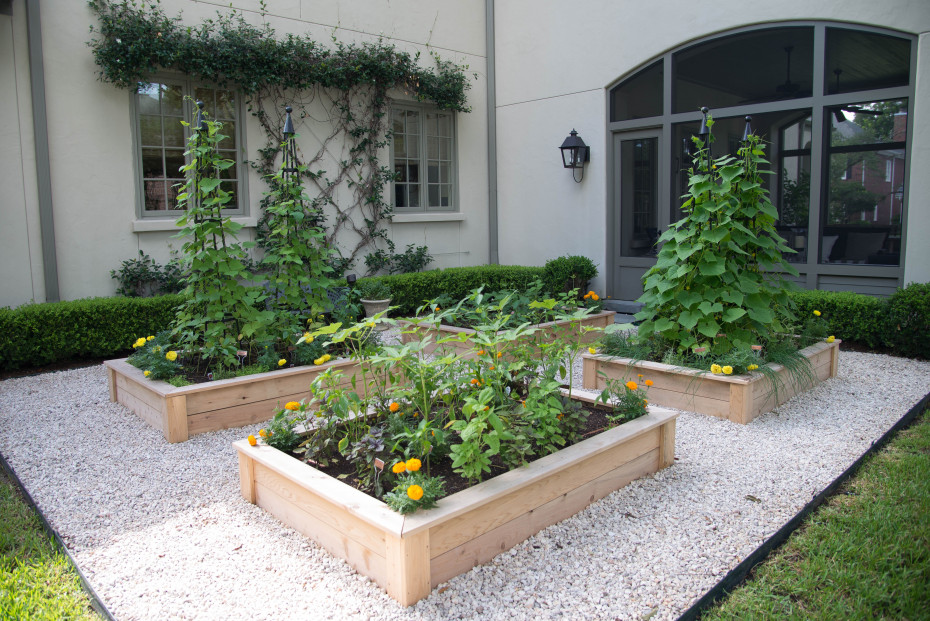
Embarking on a gardening journey can be one of the most rewarding experiences, whether you’re looking to transform your backyard into a vibrant oasis or simply want to grow a few herbs in your kitchen window. However, for beginners, the world of plants and gardening can seem daunting, with a vast array of choices, terminology, and techniques to navigate. The good news is that gardening doesn’t have to be overwhelming. By understanding the basics of plant care, choosing the right plants, and adopting a few simple strategies, anyone can enjoy the beauty and satisfaction of nurturing plants in their garden or outdoor space.
Understanding the Basics of Gardening
Before diving into the selection of plants, it’s essential to familiarize yourself with a few fundamental concepts that will lay the foundation for a successful gardening experience.
-
Soil: Healthy soil is the cornerstone of a thriving garden. It provides essential nutrients and a stable environment for plant roots. As a beginner, it’s important to assess the type of soil you have. Is it clay-based, sandy, or loamy? Clay soil retains water but can be heavy and slow-draining, while sandy soil drains quickly but may not hold enough nutrients. Loamy soil, which is a balanced mix of sand, silt, and clay, is considered ideal for most plants. You can improve your soil by adding organic matter like compost to increase its fertility and drainage.
-
Sunlight: Every plant has specific sunlight requirements. Some plants thrive in full sun, meaning they need at least 6 hours of direct sunlight per day. Others prefer partial shade, which offers dappled sunlight for a portion of the day, and some plants can even survive in full shade. Understanding the light conditions in your garden will guide you in selecting the right plants for each area. Take note of the sun’s patterns in your garden throughout the day, and adjust your plant placements accordingly.
-
Watering: Proper watering is crucial for plant health, but it’s easy to overdo it or neglect your plants. While different plants have varying water needs, a general rule of thumb is to water deeply and infrequently. This encourages deep root growth and helps plants become more drought-tolerant. In contrast, frequent shallow watering can lead to weak roots. Always check the moisture level of the soil before watering; if the top inch feels dry, it’s time to give your plants a drink.
Choosing the Right Plants for Beginners
Choosing the right plants is perhaps the most important step for any beginner gardener. Selecting hardy, easy-to-care-for plants can ensure a more successful and enjoyable gardening experience. Here are a few categories of plants that are particularly beginner-friendly:
-
Annuals: Annuals are plants that complete their life cycle in one growing season. They typically bloom throughout the season and are available in a wide range of colors and varieties. Since they die at the end of the season, you’ll need to plant new ones each year. However, their vibrant flowers and fast-growing nature make them a great choice for beginners. Examples of easy-to-grow annuals include marigolds, petunias, and sunflowers.
-
Perennials: Perennials are plants that live for more than two years, returning year after year. They are a great investment for beginners who want a low-maintenance garden that doesn’t require replanting every season. Perennials tend to be hardier and more resistant to pests. Popular perennial choices for beginners include coneflowers, hostas, and lavender.
-
Herbs: Growing herbs is an excellent way to begin your gardening journey. Many herbs are easy to grow, require little attention, and can be harvested throughout the season for culinary use. Common herbs like basil, rosemary, thyme, and mint thrive in containers or garden beds and add fragrance and flavor to your cooking.
-
Succulents: For those who may struggle with frequent watering, succulents are a perfect choice. These plants store water in their leaves, making them highly drought-tolerant. With their unique and often striking appearance, succulents like aloe vera, jade plants, and echeveria are not only beautiful but also incredibly low-maintenance.
Planting Techniques and Tips
Once you’ve selected your plants, it’s time to think about how and where to plant them. Here are a few tips to ensure your plants thrive:
-
Planting Depth: When planting, make sure the plant’s root ball is level with the surrounding soil surface. Planting too deep can suffocate the roots and lead to poor growth, while planting too shallow can expose the roots to air, which can dry them out. Always follow the specific planting instructions for each plant, as different species have varying requirements.
-
Spacing: Proper spacing is crucial for plant health. Crowding plants can lead to poor air circulation, which encourages diseases, and they may not have enough room to grow properly. Be sure to check the spacing requirements on the plant tag and leave ample space between each plant. While it may look sparse initially, plants will fill out over time, creating a lush and healthy garden.
-
Companion Planting: Certain plants can benefit from being planted together, a practice known as companion planting. For example, planting marigolds alongside vegetables can help deter pests, and herbs like basil and oregano can enhance the flavor of nearby tomatoes. Researching companion planting can create a harmonious garden where plants support one another’s growth.
-
Mulching: Applying a layer of mulch around your plants helps retain moisture, suppresses weeds, and regulates soil temperature. Organic mulches such as wood chips, straw, or shredded leaves break down over time and add nutrients back into the soil, enhancing plant health.
Maintaining Your Garden: Ongoing Care
-
Fertilizing: Plants need nutrients to grow, and fertilizers can provide these essential elements. However, it’s important to avoid over-fertilizing, which can lead to weak growth or even burn the plants. Choose a balanced, slow-release fertilizer suited for the specific plants you’re growing, and follow the application instructions carefully.
-
Pruning: Pruning is essential for maintaining the shape and health of your plants. Remove dead or damaged stems and leaves to encourage new growth and improve air circulation. Some plants, like roses and flowering shrubs, benefit from regular pruning to promote blooming.
-
Pest Control: While gardening is often about nurturing plants, pests can sometimes become an issue. Fortunately, there are numerous organic methods to control pests without resorting to harmful chemicals. Natural predators, such as ladybugs and predatory insects, can help control aphids and other pests. Additionally, neem oil, insecticidal soaps, and homemade remedies like garlic spray can effectively manage pest populations.
Creating a Garden You’ll Love
Gardening is an ongoing learning process, and as you grow more experienced, you’ll discover which plants work best in your environment and which gardening techniques suit your style. Start small and gradually expand your garden as you gain confidence and knowledge. Whether you’re growing flowers, vegetables, or herbs, each plant you nurture is a step toward creating a beautiful outdoor space that reflects your personality and values.
Gardening also offers the opportunity to slow down and reconnect with nature. It’s a practice that rewards patience and care, and with time, your garden will evolve into a thriving, vibrant testament to your efforts. Don’t be afraid to make mistakes along the way—gardening is as much about trial and error as it is about growth and beauty.
In conclusion, gardening for beginners is about embracing simplicity and taking the time to understand the basic principles of plant care. With the right tools, techniques, and plants, you can create an outdoor space that’s both beautiful and fulfilling. Whether you’re tending to a few potted plants on your windowsill or cultivating a larger garden, the world of plants is waiting for you to explore, and the rewards are well worth the effort.