Introduction
Residential real estate markets are evolving rapidly as digital technologies reshape how people interact with their homes. Smart homes are no longer considered luxury upgrades reserved for premium developments. Instead, they are becoming practical investments that influence buyer decisions, rental potential, and long-term property value.
From energy management to security automation, integrated home technology is redefining expectations in modern housing. As a result, properties equipped with smart systems are increasingly attracting attention from buyers, tenants, and investors alike.
What Defines a Smart Home
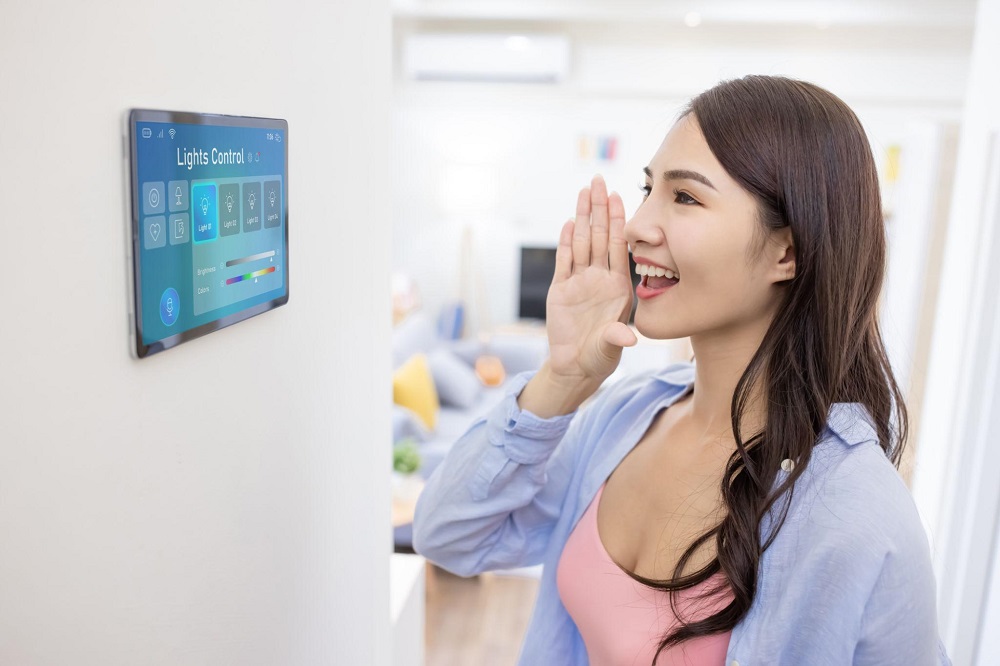
A smart home is a residence equipped with connected devices that automate, monitor, and optimize household functions through mobile apps, voice assistants, or centralized control systems.
Common smart home features include:
- Intelligent lighting systems
- Smart thermostats and climate control
- Automated door locks and surveillance cameras
- Voice-controlled appliances
- Energy consumption monitoring tools
- Remote-controlled entertainment systems
These features enhance both usability and operational efficiency, which directly contributes to rising buyer interest.
Why Buyers Prefer Smart Homes Today
Convenience and Lifestyle Enhancement
Modern homebuyers increasingly value convenience-driven living environments. Smart homes simplify daily routines through automation and centralized controls.
Examples include:
- Scheduling lighting according to occupancy patterns
- Adjusting temperature remotely before arriving home
- Monitoring appliances while away
- Managing multiple systems through one interface
This level of ease significantly increases perceived property desirability.
Improved Security and Peace of Mind
Security remains one of the strongest motivators behind smart home adoption.
Smart security solutions include:
- Motion detection alerts
- Video doorbells
- Remote surveillance access
- Smart locks with temporary access permissions
Buyers often prioritize homes that already include these systems because they reduce the need for post-purchase upgrades.
Energy Efficiency and Lower Utility Costs
Energy-efficient homes are gaining strong traction among environmentally conscious buyers and cost-sensitive households.
Smart energy solutions help:
- Optimize heating and cooling usage
- Reduce electricity waste
- Monitor real-time energy consumption
- Lower monthly utility bills
Properties with built-in efficiency technologies appeal strongly to long-term homeowners and investors alike.
How Smart Features Increase Property Value
Higher Market Differentiation
Smart homes stand out in competitive housing markets. When buyers compare similar properties, technology-enabled homes often receive stronger interest due to added functionality.
Even mid-range homes gain premium positioning when equipped with integrated automation.
Faster Sales and Reduced Time on Market
Properties that already include automation infrastructure often sell faster than traditional homes. Buyers prefer ready-to-move-in digital convenience rather than investing additional time and money after purchase.
This advantage is particularly visible in urban housing markets where technology adoption is accelerating.
Stronger Rental Demand
Rental tenants increasingly prioritize smart features when selecting homes, especially in metropolitan areas and technology-driven job hubs.
Smart rental properties benefit from:
- Higher occupancy rates
- Increased tenant retention
- Competitive rental pricing
- Appeal to working professionals
Landlords adopting smart upgrades often experience improved rental performance.
Appeal Among Younger Homebuyers
Millennials and first-time homeowners are shaping future housing trends. This demographic strongly values connectivity and automation.
Their expectations typically include:
- App-based home control
- Energy-efficient appliances
- Integrated entertainment systems
- Smart security infrastructure
Developers incorporating these features early often capture stronger interest from younger buyers entering the housing market.
Impact on Sustainable Housing Trends
Smart homes contribute significantly to sustainability goals through intelligent resource management.
Key sustainability benefits include:
- Reduced electricity consumption
- Efficient water usage monitoring
- Automated lighting optimization
- Integration with renewable energy systems
These features align with growing environmental awareness among modern buyers, further increasing demand for tech-enabled homes.
Builder and Developer Advantages
Real estate developers are increasingly integrating automation features during construction rather than offering them as optional upgrades.
This strategy helps:
- Improve project positioning
- Increase buyer confidence
- Strengthen brand reputation
- Support premium pricing strategies
As smart infrastructure becomes standard rather than optional, it continues influencing purchasing behavior across multiple housing segments.
Role of Smart Homes in Future Property Markets
The long-term trajectory of residential real estate indicates strong integration between housing and digital technology ecosystems.
Future developments are expected to include:
- AI-assisted home management
- Predictive maintenance alerts
- Advanced security analytics
- Integrated electric vehicle charging automation
These innovations will further strengthen the connection between smart homes and rising residential demand.
Frequently Asked Questions
Do smart homes require expensive maintenance
Most smart home systems require minimal maintenance beyond software updates and occasional device servicing. Cloud-based systems typically manage updates automatically.
Are smart homes suitable for older residential properties
Yes. Many smart technologies can be retrofitted into existing homes without structural changes, making them accessible for older properties.
Do smart homes increase resale attractiveness
Homes with integrated automation systems often attract more buyer interest and can sell faster compared to conventional homes lacking digital features.
Is internet connectivity necessary for smart home functionality
While many systems rely on internet connectivity for remote access, several smart features continue operating locally even without active connections.
Can smart homes help reduce insurance costs
Some insurance providers offer lower premiums for homes equipped with smart security and monitoring systems because they reduce risk exposure.
Are smart homes safe from cybersecurity threats
Modern smart home systems include encryption and authentication layers. Regular software updates further improve protection against unauthorized access.
Do smart homes appeal to tenants as well as buyers
Yes. Rental tenants increasingly prefer homes with automation features because they enhance convenience, safety, and energy efficiency.