
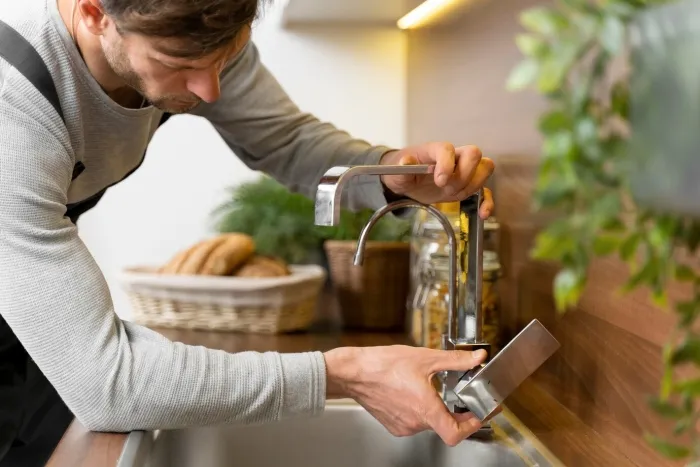
Water scarcity is becoming a serious concern across urban and rural regions alike. Household plumbing systems play a major role in how efficiently water is used each day. By adopting eco friendly plumbing solutions, homeowners can significantly reduce water waste, lower utility costs, and contribute to environmental protection.
Modern plumbing technology now offers practical and affordable ways to conserve water without sacrificing comfort or performance.
Why Eco Friendly Plumbing Matters
Water conservation is no longer optional. It is essential for sustainable living. Traditional plumbing systems often allow unnecessary water loss through inefficient fixtures, leaks, and outdated infrastructure.
Eco friendly plumbing helps by:
- Reducing daily water consumption
- Lowering electricity usage linked to water heating and pumping
- Preventing groundwater depletion
- Minimizing wastewater generation
- Supporting long term environmental sustainability
Small upgrades inside a home can collectively make a large impact over time.
Install Low Flow Fixtures
Low flow fixtures are among the simplest and most effective plumbing upgrades for water conservation. These fixtures reduce water usage while maintaining adequate pressure.
Examples include:
Low flow showerheads
These reduce water consumption by limiting flow without affecting bathing comfort.
Dual flush toilets
They provide two flushing options depending on the waste type, saving several liters per use.
Faucet aerators
These mix air with water to maintain steady flow while lowering water output.
Replacing older fixtures with these alternatives can reduce household water usage by up to thirty percent.
Upgrade to Smart Leak Detection Systems
Hidden leaks waste large quantities of water over time. Smart leak detection devices monitor water flow continuously and alert homeowners when unusual usage patterns occur.
Benefits include:
- Preventing structural damage caused by leakage
- Saving thousands of liters annually
- Lowering repair costs
- Improving plumbing lifespan
Early detection ensures that small issues never become major plumbing failures.
Use Tankless Water Heaters
Traditional storage water heaters keep large volumes of water heated throughout the day. This leads to unnecessary energy and water loss.
Tankless water heaters improve efficiency by:
- Heating water only when needed
- Reducing standby energy consumption
- Delivering continuous hot water supply
- Saving installation space
They are ideal for eco conscious households seeking long term efficiency.
Harvest Rainwater for Household Use
Rainwater harvesting is a highly effective solution for reducing dependence on municipal water supply. Collected rainwater can be reused for multiple non drinking purposes.
Common uses include:
- Garden irrigation
- Toilet flushing
- Floor cleaning
- Vehicle washing
A basic rainwater harvesting setup includes gutters, filters, and storage tanks. Even a simple system can save thousands of liters annually.
Install Greywater Recycling Systems
Greywater refers to wastewater generated from sinks, showers, and washing machines. Instead of letting it drain away, it can be reused safely after treatment.
Advantages include:
- Reducing freshwater demand
- Supporting landscape irrigation
- Lowering sewage output
- Promoting sustainable water reuse
Greywater recycling systems are increasingly popular in eco friendly residential designs.
Choose Sustainable Plumbing Materials
Eco friendly plumbing is not limited to water saving fixtures. The materials used in piping also influence sustainability.
Recommended options include:
PEX piping
Flexible and energy efficient to manufacture and install.
Copper piping
Durable, recyclable, and resistant to bacterial growth.
Recycled metal fixtures
Reduce environmental impact during production.
Selecting long lasting materials minimizes replacement frequency and resource consumption.
Install Pressure Reducing Valves
Excessively high water pressure increases consumption and stresses plumbing infrastructure. Pressure reducing valves regulate water flow efficiently.
Benefits include:
- Preventing pipe damage
- Reducing water wastage
- Increasing fixture lifespan
- Improving overall system efficiency
Maintaining optimal pressure levels contributes significantly to conservation.
Adopt Water Efficient Landscaping Connections
Outdoor plumbing systems often consume large volumes of water. Smart irrigation connections help control usage effectively.
Helpful practices include:
- Installing drip irrigation systems
- Using moisture sensors
- Scheduling watering during cooler hours
- Connecting irrigation lines to rainwater storage tanks
These methods ensure plants receive adequate hydration without excessive consumption.
Maintain Plumbing Systems Regularly
Routine maintenance is essential for water conservation. Even efficient plumbing systems lose performance if neglected.
Maintenance practices include:
- Checking pipes for leaks
- Cleaning filters periodically
- Inspecting storage tanks
- Replacing worn fixtures promptly
Preventive care ensures optimal system performance throughout the year.
Conclusion
Eco friendly plumbing solutions provide a practical pathway toward responsible water usage. By combining efficient fixtures, smart monitoring systems, rainwater harvesting, and greywater reuse strategies, households can significantly reduce their environmental footprint.
Investing in sustainable plumbing today supports long term water security while lowering operating costs and improving overall home efficiency.
Frequently Asked Questions
1. What is the most effective eco friendly plumbing upgrade for beginners
Installing low flow showerheads and faucet aerators is the easiest and most affordable starting point for reducing household water usage.
2. Can rainwater harvesting be used for drinking purposes
Rainwater can be used for drinking only after proper filtration and purification using approved treatment systems.
3. Are tankless water heaters suitable for large families
Yes, they provide continuous hot water supply when correctly sized according to household demand.
4. How much water can a greywater recycling system save annually
A properly installed greywater system can reduce freshwater consumption by up to forty percent depending on household size and usage patterns.
5. Do smart leak detectors require professional installation
Many modern leak detection devices are simple to install and can be connected through mobile applications without complex setup.
6. Is replacing old plumbing pipes necessary for water conservation
Older pipes often leak or reduce efficiency, so upgrading them can improve water savings and system durability.
7. How often should plumbing systems be inspected for efficiency
A professional plumbing inspection once every year helps maintain optimal performance and prevents unnoticed water loss.


