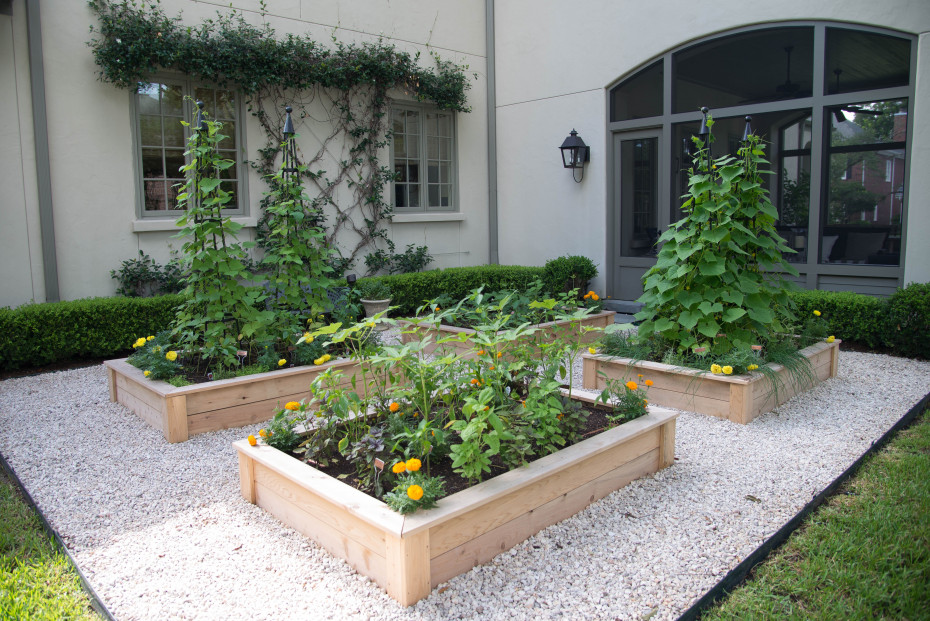
Gardening is no longer limited to neat rows of plants or traditional backyard plots. As lifestyles, climates, and living spaces evolve, so do the ways people grow and interact with plants. Today’s gardening styles focus on sustainability, creativity, and adaptability, offering fresh ideas for both beginners and seasoned gardeners. Exploring new gardening concepts can transform outdoor and indoor spaces into living ecosystems that are functional, beautiful, and environmentally responsible.
The Shift Toward Modern Gardening
Modern gardening emphasizes working with nature rather than against it. Instead of rigid layouts, newer styles prioritize soil health, water conservation, biodiversity, and personal expression. These approaches reflect a growing awareness of climate change, limited space in urban areas, and the desire for healthier, greener lifestyles.
Why New Gardening Styles Matter
- Encourage eco-friendly practices
- Reduce water and resource consumption
- Support pollinators and local ecosystems
- Make gardening accessible in small or unconventional spaces
Sustainable Gardening Concepts
Sustainability sits at the heart of many contemporary gardening movements. These concepts aim to reduce environmental impact while increasing long-term productivity.
Key Sustainable Practices
- Native plant gardening to reduce water and maintenance needs
- Composting to recycle kitchen and garden waste
- Rainwater harvesting for efficient irrigation
- Mulching to retain soil moisture and prevent erosion
By focusing on sustainability, gardeners create resilient spaces that thrive with minimal intervention.
Urban and Small-Space Gardening
Limited space no longer means limited greenery. Urban gardening styles have redefined how plants fit into city living.
Popular Urban Gardening Ideas
- Vertical gardens using walls, fences, or trellises
- Rooftop gardens that insulate buildings and reduce heat
- Balcony and container gardening for apartments
- Windowsill herb gardens for everyday cooking needs
These concepts allow city dwellers to grow food and enjoy greenery without traditional garden plots.
Naturalistic and Wild-Inspired Gardens
A growing trend favors gardens that look less controlled and more like natural landscapes. These designs prioritize organic shapes, diverse plant life, and seasonal changes.
Characteristics of Naturalistic Gardens
- Mixed plant heights and textures
- Minimal pruning for a relaxed appearance
- Pollinator-friendly flowers and shrubs
- Emphasis on ecological balance
Such gardens are not only visually calming but also support birds, bees, and beneficial insects.
Edible and Functional Gardening
Modern gardeners increasingly seek beauty that also serves a purpose. Edible landscaping blends aesthetics with practicality.
Edible Gardening Ideas
- Fruit trees integrated into decorative layouts
- Raised vegetable beds with clean, modern lines
- Herbs as ground cover or borders
- Companion planting for pest control and higher yields
This approach turns gardens into productive spaces that nourish both body and mind.
Indoor Gardening and Green Living
Indoor gardening has gained momentum as people bring nature inside their homes and workplaces.
Indoor Gardening Trends
- Houseplant collections for air purification
- Hydroponic systems for year-round food production
- Terrariums as low-maintenance green décor
- Living walls for visual impact and improved air quality
Indoor gardens help reduce stress, improve focus, and create a stronger connection to nature.
Technology and Smart Gardening
Technology now plays a role in shaping how gardens are managed and maintained.
Smart Gardening Tools
- Automated irrigation systems
- Soil moisture and nutrient sensors
- Gardening apps for plant care reminders
- Solar-powered lighting and equipment
These tools make gardening more efficient while reducing waste and guesswork.
Conclusion
Exploring new gardening styles and concepts opens the door to creativity, sustainability, and innovation. Whether embracing eco-friendly methods, adapting to urban living, or experimenting with technology, modern gardening offers endless possibilities. By choosing styles that align with personal values and local conditions, gardeners can create spaces that are not only visually appealing but also environmentally meaningful.
Frequently Asked Questions (FAQs)
1. What is the easiest modern gardening style for beginners?
Container gardening is often the easiest, as it requires minimal space, simple maintenance, and offers flexibility in plant selection.
2. Can sustainable gardening reduce water usage?
Yes, sustainable practices like mulching, native plants, and rainwater harvesting significantly lower water consumption.
3. Are vertical gardens suitable for food production?
Absolutely. Many herbs, leafy greens, and even strawberries grow well in vertical garden systems.
4. How much sunlight do indoor gardens need?
Most indoor plants need bright, indirect light, though some can thrive under grow lights if natural light is limited.
5. What is the difference between traditional and naturalistic gardens?
Traditional gardens follow structured layouts, while naturalistic gardens mimic natural ecosystems with free-form designs.
6. Is smart gardening expensive to start?
Basic smart tools like moisture sensors or automated timers are affordable and can save money over time by reducing waste.
7. Can modern gardening styles work in all climates?
Yes. By selecting climate-appropriate plants and techniques, modern gardening concepts can be adapted almost anywhere.