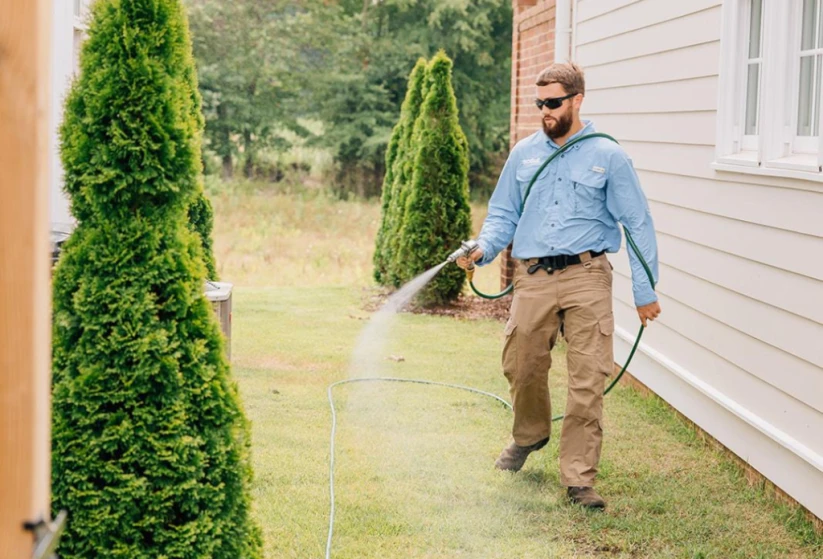
Pest control has been an essential part of human survival since the earliest days of agriculture. As societies evolved, so did the techniques used to protect crops, homes, and public health from destructive pests. From rudimentary natural remedies to sophisticated, science-backed solutions, pest control reflects humanity’s growing understanding of ecology, chemistry, and sustainability.
This article explores how pest control methods have changed over time, highlighting the key innovations that shaped modern practices.
Early Pest Control in Ancient Civilizations
Long before modern science, ancient communities relied on observation and experimentation to manage pests. These early solutions were deeply connected to nature and local resources.
Common ancient pest control techniques included:
- Burning aromatic plants to repel insects
- Using ash, sand, or mud to protect stored grains
- Introducing natural predators such as cats to control rodents
- Applying oils, sulfur, or plant extracts to crops
Civilizations in regions like Mesopotamia, Egypt, and China documented pest-related issues and developed methods based on trial and error. While limited in effectiveness, these techniques laid the foundation for future innovation.
Pest Management During the Medieval Period
As agriculture expanded across Europe and Asia, pest problems became more widespread. Medieval pest control methods were often shaped by superstition, religion, and limited scientific understanding.
Farmers used:
- Crop rotation to disrupt pest life cycles
- Physical barriers such as nets and fences
- Manual removal of insects and rodents
- Herbal mixtures believed to ward off pests
Although some practices lacked scientific grounding, techniques like crop rotation proved remarkably effective and are still used today.
The Rise of Chemical Pest Control
The Industrial Revolution marked a turning point in pest control history. Advances in chemistry enabled the development of substances designed specifically to kill pests.
Early Chemical Solutions
By the late 19th and early 20th centuries, compounds such as arsenic-based pesticides and later synthetic chemicals became widely used. These products were highly effective and significantly boosted agricultural productivity.
However, their widespread use soon revealed serious drawbacks:
- Environmental contamination
- Harm to non-target species, including humans
- Pest resistance over time
Despite these issues, chemical pest control dominated much of the 20th century due to its immediate results.
Integrated Pest Management (IPM): A Balanced Approach
By the mid-20th century, concerns about environmental and health risks led to a more holistic approach known as Integrated Pest Management (IPM).
IPM focuses on long-term prevention and combines multiple strategies rather than relying solely on chemicals.
Key principles of IPM include:
- Monitoring pest populations regularly
- Using biological controls such as beneficial insects
- Applying chemical treatments only when necessary
- Emphasizing prevention through habitat management
This approach reduced chemical dependency while maintaining effective pest control.
Modern Advances in Pest Control Technology
Today’s pest control methods benefit from cutting-edge research and technological innovation. Precision tools and data-driven strategies allow for targeted interventions with minimal environmental impact.
Innovations Shaping Modern Pest Control
- Biological controls using bacteria, fungi, and natural predators
- Smart traps equipped with sensors and monitoring systems
- Genetic techniques to disrupt pest reproduction
- Eco-friendly pesticides derived from natural sources
Modern pest control prioritizes sustainability, safety, and efficiency, reflecting a broader shift toward environmental responsibility.
The Future of Pest Control
Looking ahead, pest control is expected to become even more refined. Advances in artificial intelligence, biotechnology, and ecological research will likely lead to highly targeted solutions that protect both crops and ecosystems.
Future trends may include predictive pest modeling, fully automated monitoring systems, and greater reliance on natural pest suppression methods.
Frequently Asked Questions (FAQ)
1. Why was pest control important in ancient societies?
Pest control was essential to protect food supplies, prevent disease, and ensure survival in early agricultural communities.
2. What caused the shift away from heavy chemical pesticide use?
Growing awareness of environmental damage, health risks, and pest resistance led to the adoption of more sustainable approaches.
3. How does Integrated Pest Management differ from traditional methods?
IPM combines multiple strategies and emphasizes prevention, monitoring, and minimal chemical use rather than relying on a single solution.
4. Are modern pest control methods safer for humans?
Yes, modern methods are designed with stricter safety regulations and focus on targeted, low-toxicity solutions.
5. Can biological pest control completely replace chemical pesticides?
In some cases, yes, but many situations still require limited chemical use as part of an integrated strategy.
6. How does technology improve pest control today?
Technology enables precise monitoring, early detection, and targeted treatments, reducing waste and environmental impact.
7. What role does sustainability play in future pest control?
Sustainability is central, guiding the development of eco-friendly methods that balance pest management with environmental protection.