
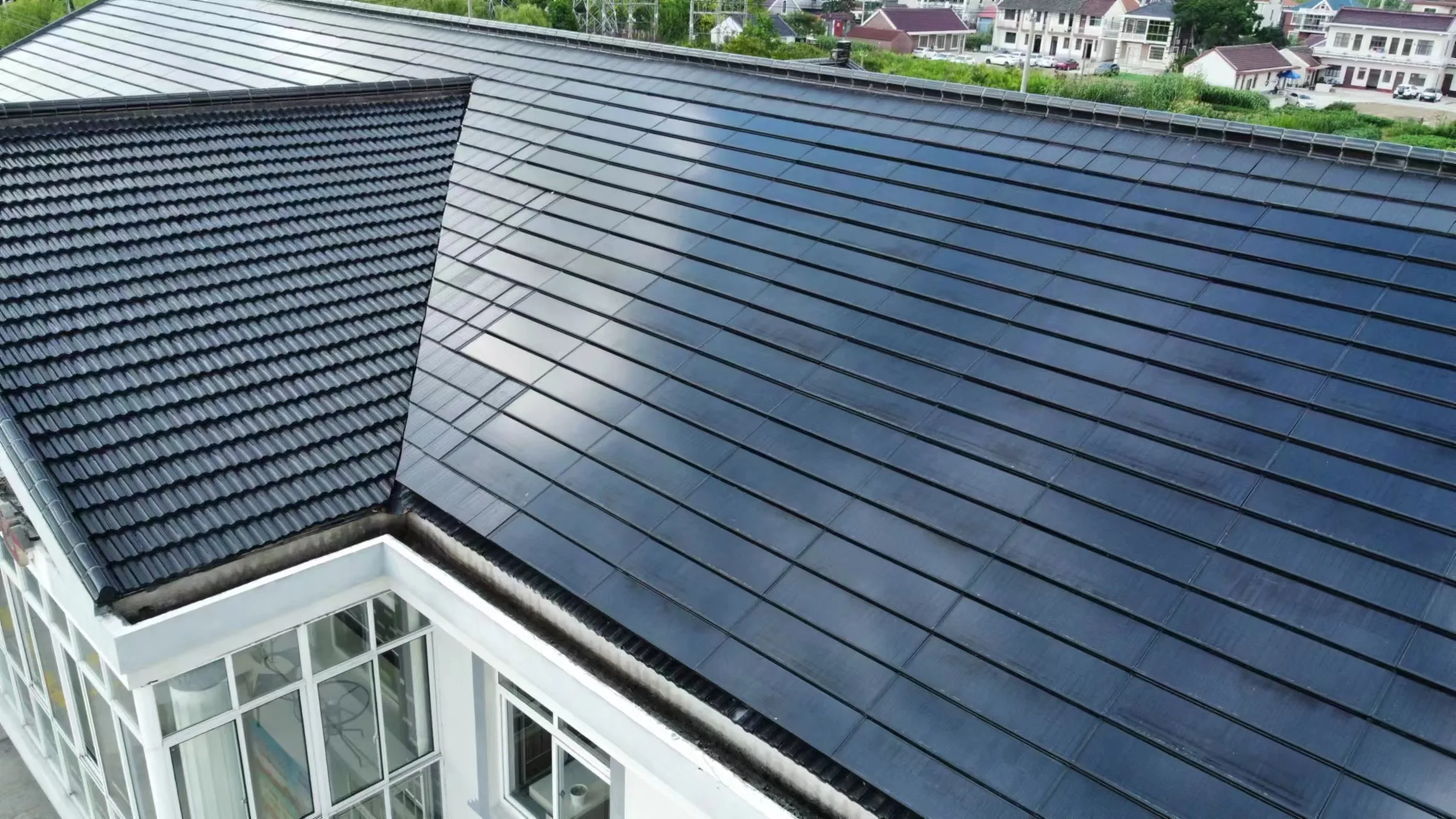
The roofing industry is entering a transformative phase driven by sustainability, technology, and architectural innovation. Roofs are no longer passive coverings; they are becoming active systems that generate energy, manage climate, and elevate building aesthetics. As environmental demands rise and materials science advances, the future of roofing materials and design is set to redefine how buildings perform and look.
Why Roofing Is Evolving Rapidly
Several forces are accelerating change across residential and commercial roofing:
- Climate resilience requirements due to extreme weather
- Energy efficiency regulations and rising utility costs
- Sustainable construction priorities and green certifications
- Design flexibility demanded by modern architecture
These pressures are pushing manufacturers and designers to rethink everything from raw materials to installation methods.
Next-Generation Roofing Materials
Sustainable and Eco-Friendly Options
Sustainability is no longer optional. Future-focused roofing materials prioritize low environmental impact without sacrificing durability.
Key trends include:
- Recycled composite shingles made from plastic, rubber, and reclaimed fibers
- Cool roofing materials that reflect sunlight and reduce heat absorption
- Clay and concrete tiles with improved thermal performance and longer lifespans
These materials help reduce landfill waste while lowering cooling demands inside buildings.
Solar-Integrated Roofing
Solar technology is becoming seamlessly embedded into roofing systems rather than added as bulky panels.
Innovations shaping this space:
- Solar shingles and tiles that blend with traditional roof profiles
- Building-integrated photovoltaics (BIPV) designed directly into roof surfaces
- Improved energy conversion efficiency even in low-light conditions
This integration allows homeowners and businesses to generate clean energy without compromising curb appeal.
Advanced Metal Roofing Systems
Metal roofing is evolving beyond its industrial roots into a premium, high-performance solution.
Modern metal roofs offer:
- Exceptional longevity and corrosion resistance
- Lightweight structures that reduce building load
- Compatibility with solar panels and rainwater harvesting
New coatings and finishes also allow metal roofs to mimic wood, slate, or tile textures.
Smart Roofing Technology
Intelligent Monitoring and Performance
Smart roofs are emerging as part of connected building ecosystems.
Key capabilities include:
- Sensors that detect moisture, leaks, and temperature changes
- Real-time performance data sent to mobile devices
- Predictive maintenance alerts that prevent costly damage
These systems extend roof lifespan and reduce unexpected repair expenses.
Adaptive Roofing Materials
Researchers are developing materials that respond dynamically to environmental conditions.
Examples include:
- Thermochromic surfaces that change color based on temperature
- Phase-change materials that store and release heat
- Self-healing membranes that seal minor cracks automatically
Such innovations enhance comfort while improving energy efficiency year-round.
Future Roofing Design Trends
Minimalist and Functional Aesthetics
Design is shifting toward clean lines and simplified forms. Flat and low-slope roofs are increasingly popular in contemporary construction, offering:
- Space for solar arrays or rooftop gardens
- Easier maintenance access
- A sleek, modern visual identity
Green and Living Roofs
Vegetated roofs are expanding beyond commercial buildings into residential spaces.
Benefits include:
- Natural insulation and reduced heat islands
- Improved air quality and stormwater management
- Enhanced visual appeal and property value
As urban density increases, green roofs will play a vital role in sustainable city planning.
Modular and Prefabricated Roofing
Prefabrication is transforming installation speed and quality control.
- Factory-built roof sections reduce on-site labor
- Precision manufacturing minimizes material waste
- Faster installation lowers overall construction timelines
This approach aligns with the broader trend toward modular construction.
Durability and Climate Resilience
Future roofing systems are being engineered to withstand harsher conditions.
Key performance priorities:
- Resistance to high winds, hail, and heavy snow
- Fire-resistant materials for wildfire-prone regions
- Enhanced waterproofing for intense rainfall events
These improvements are critical as climate patterns become more unpredictable.
What the Future Holds for Homeowners and Builders
The roof of tomorrow will be a multifunctional asset, not just a protective shell. It will contribute to energy production, environmental sustainability, and architectural identity. For homeowners, this means lower long-term costs and improved comfort. For builders and designers, it opens new creative and technical possibilities.
Frequently Asked Questions
1. Are future roofing materials more expensive than traditional options?
Initial costs may be higher, but long-term savings from energy efficiency, durability, and reduced maintenance often outweigh upfront expenses.
2. How long do solar-integrated roofs typically last?
Most solar roofing systems are designed to last 25–30 years, similar to or longer than conventional roofing materials.
3. Can smart roofing systems be added to existing roofs?
Yes, many smart sensors and monitoring tools can be retrofitted, depending on roof condition and material type.
4. Are green roofs suitable for all climates?
Green roofs can be adapted to most climates with proper plant selection, drainage, and structural support.
5. Do sustainable roofing materials require special maintenance?
Maintenance requirements are often similar or lower than traditional roofs, especially with modern protective coatings.
6. How do cool roofs improve energy efficiency?
Cool roofs reflect more sunlight and absorb less heat, reducing indoor temperatures and lowering cooling costs.
7. Will future roofing designs increase property value?
Yes, energy-efficient, durable, and visually appealing roofs are increasingly attractive to buyers and can boost resale value.


