
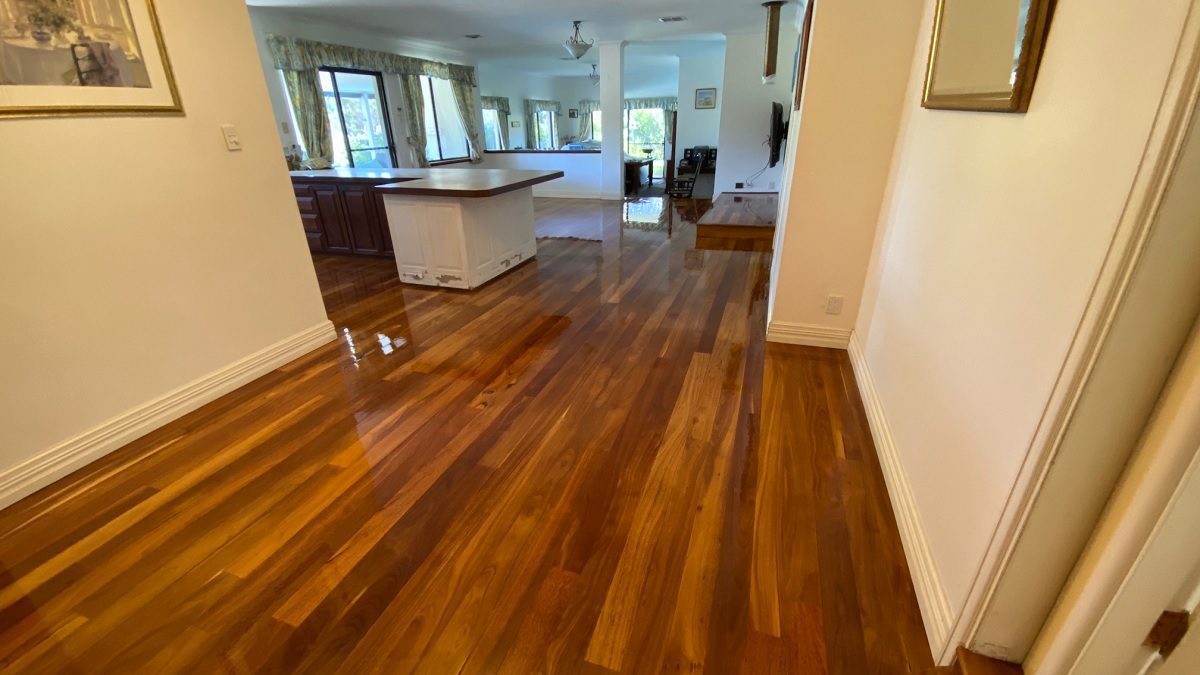
Timber ages. Sun, moisture, and daily use leave their mark on decks, floors, furniture, and outdoor settings. Over time, wood darkens, stains set in, and the natural grain fades under a dull grey film. Wood bleach offers a straightforward way to reverse this. Using Litenit Wood Bleach helps lift discolouration and restore timber to a lighter, cleaner tone without stripping away its character.
Australian conditions test timber hard. Strong UV, humid coastal air, and dry inland heat all take a toll. Applying a product like Litenit Wood Bleach lets you treat these effects at the surface, drawing out iron stains, tannin marks, and the greying caused by weather exposure. The result is a fresh base ready for oiling, staining, or sealing.
Choosing to bleach with Litenit Wood Bleach also gives you control over the final look. You can lighten a single patch to match surrounding boards, or treat an entire surface for an even tone. This flexibility suits both restoration work and new builds where you want consistent colour across different timber pieces.
Why Bleach Timber?
Bleaching serves several practical purposes:
- Removes stains. Water rings, rust marks, and black spots from nails or fixings respond well to treatment.
- Evens out colour. Mismatched boards or patchy weathering blend into a uniform shade.
- Prepares surfaces. A clean, light base accepts stains and finishes more evenly.
- Restores value. Refreshed decks and furniture look cared for and last longer.
Application Tips
Start with a clean, dry surface. Sweep away debris and wash off dirt, then let the timber dry fully. Test any product on a small, hidden area first to check the reaction.
Work in shade where possible. Direct sun dries the solution too fast and can leave uneven patches. Apply with a brush or synthetic pad, following the grain. Wear gloves and eye protection, and keep the area ventilated.
Give the product time to act. Most treatments need several minutes to draw out discolouration. Watch the colour shift, then neutralise and rinse as directed. A second coat helps with stubborn marks. Once dry, sand lightly to smooth any raised grain.
Always dispose of rinse water and rags responsibly. Check local council guidelines, as some areas restrict what you can pour into stormwater drains.
Caring for Timber in the Australian Climate
Bleaching is only the first step. To keep surfaces looking good, protect them afterwards.
Seal outdoor timber with a UV-resistant oil or coating. This slows fading and guards against moisture. In coastal regions, salt air speeds up wear, so reapply finishes more often. Inland, where heat and dryness cause cracking, a penetrating oil keeps boards supple.
Clean surfaces regularly. Dirt and grime hold moisture against the wood and encourage mould. A gentle wash every few months goes a long way.
Inspect decks and outdoor furniture each season. Catch small problems early, and touch up worn areas before they spread.
With the right approach, treated timber stays bright, smooth, and durable through every Australian season.