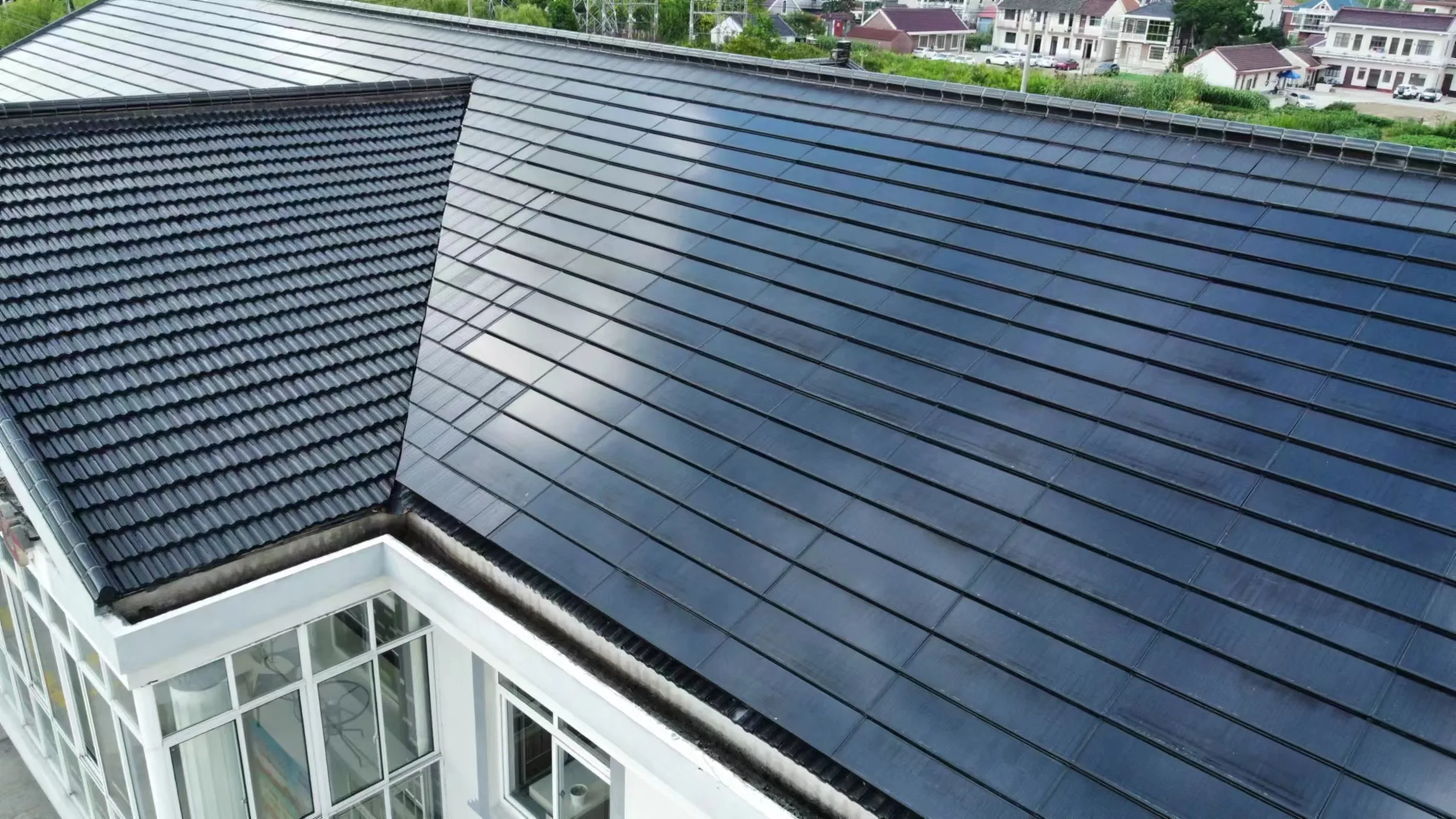
The evolution of roofing design has always reflected the balance between protection, efficiency, and visual appeal. Today, one of the most innovative advances in modern architecture is metal roofing with hidden fasteners. This system combines clean aesthetics with high-performance engineering, creating roofs that are both sleek and exceptionally durable. For builders, architects, and property owners, concealed-fastener roofing represents a new era where form and function coexist seamlessly.
The Rise of Concealed-Fastener Roofing Systems
In traditional roofing systems, exposed fasteners were considered an unavoidable feature of metal roofs. While effective in securing panels, they often disrupted visual flow and introduced long-term maintenance challenges due to weather exposure. Hidden-fastener designs emerged as a response to these issues, offering a more refined look while improving longevity and performance.
Concealed-fastener systems, often referred to as standing seam roofs, use interlocking panels that cover the fastening points. This eliminates direct exposure to rain, wind, and ultraviolet rays, significantly reducing the risk of leaks or corrosion. As a result, architects now consider these systems not only for industrial or commercial projects but also for high-end residential applications that demand both performance and sophistication.
The Engineering Behind Hidden Fasteners
The strength of concealed-fastener roofing lies in precision engineering. Each panel is manufactured with integrated seams or clips that lock into adjoining panels, securing them firmly without visible screws or bolts. These seams are then mechanically or snap-locked into place to create a continuous, watertight surface.
This method distributes structural loads evenly, allowing the roof to expand and contract naturally with temperature changes without compromising integrity. The result is a roofing system that maintains its appearance and functionality over decades of exposure to harsh conditions.
Advanced fabrication also ensures exact panel alignment, reducing thermal bridging and preventing stress points that could lead to damage. The combination of technology and craftsmanship creates a roofing solution that is both structurally sound and visually flawless.
Aesthetics and Modern Architecture
Architectural design has shifted toward minimalism and clean geometry, and concealed-fastener roofing aligns perfectly with this aesthetic direction. The seamless appearance of hidden fasteners allows for uninterrupted lines and sleek surfaces that elevate a building’s overall design.
This is particularly valuable in commercial and residential architecture where visual precision conveys quality and attention to detail. Architects use concealed-fastener systems to highlight symmetry, enhance façade integration, and complement modern materials like glass, stone, and composite panels.
Even for traditional-style buildings, hidden fasteners provide versatility. The roofing panels can be textured, coloured, or shaped to match regional architectural styles while maintaining the system’s performance benefits.
Durability and Weather Resistance
Texas weather demands resilient roofing solutions. Concealed-fastener systems are engineered to endure intense sun, heavy rain, and strong winds with minimal maintenance. By eliminating exposed screws, the system prevents water penetration and reduces the likelihood of rust or sealant failure.
Moreover, because fasteners are protected beneath the panels, there’s no risk of expansion-related loosening—a common problem in exposed systems. This feature extends the lifespan of the roof and reduces long-term maintenance costs.
Wind resistance is another key advantage. The interlocking panel system forms a unified surface that disperses uplift forces more evenly, making concealed-fastener roofs ideal for regions prone to storms and gusty conditions.
Energy Efficiency and Thermal Performance
Beyond aesthetics and strength, hidden-fastener metal roofing plays a vital role in energy efficiency. Modern coatings and reflective finishes help reduce heat absorption, keeping interiors cooler during hot seasons and lowering HVAC loads.
In combination with proper insulation, these roofing systems create highly efficient envelopes that contribute to energy savings and environmental sustainability. Many buildings using concealed-fastener roofing qualify for green building certifications due to their long service life, recyclability, and reduced energy consumption.
The Installation Advantage
While precision engineering defines the product, expert installation determines its performance. Concealed-fastener roofs are designed for streamlined assembly, with pre-fabricated panels that fit together precisely. This approach reduces on-site labour time and minimises installation errors.
Because there are no exposed fasteners to align or seal, the risk of leaks from improper fastening is significantly reduced. The result is a faster, cleaner, and more predictable installation process that benefits both builders and clients.
For large-scale commercial or industrial projects, the consistency of concealed-fastener systems ensures uniform results across expansive roof areas. For smaller residential properties, the same system delivers craftsmanship-level precision without extensive customisation costs.
Sustainability and Long-Term Value
One of the defining strengths of concealed-fastener metal roofing is its sustainability profile. Metal is one of the most recyclable materials in construction, and the panels can often be reused or repurposed without degradation.
The reflective coatings used in hidden-fastener systems contribute to urban heat reduction and energy conservation. Additionally, because these roofs last significantly longer than conventional materials like asphalt shingles, they reduce the environmental impact associated with frequent replacements.
From an economic perspective, concealed-fastener roofing delivers high lifetime value. Minimal maintenance requirements and extended service life offset the initial investment, making it one of the most cost-effective long-term roofing options available.
Customisation for Diverse Applications
No two projects are alike, and hidden-fastener roofing offers flexibility to meet different design and functional goals. Options include vertical and horizontal seam profiles, varying rib heights, and a broad range of finishes and textures.
For industrial buildings, the focus may be on structural strength and energy performance. For commercial facilities, visual appeal and branding integration often take precedence. Meanwhile, residential applications benefit from quieter performance during rain and improved curb appeal.
The adaptability of concealed-fastener systems allows architects and engineers to design roofs that complement each building’s purpose and environment, ensuring that functionality never comes at the expense of style.
The Future of Metal Roofing Design
As technology continues to advance, concealed-fastener systems are poised to become even more efficient and versatile. Innovations in coating chemistry, panel geometry, and fastening systems are making these roofs lighter, stronger, and easier to install.
Future developments will likely include smart monitoring features that detect moisture, temperature variations, or stress points in real time. Combined with sustainable material improvements, this will further strengthen the role of metal roofing as a cornerstone of intelligent, future-ready construction.
FAQs
Q: What makes concealed-fastener metal roofing better than traditional exposed systems?
A: Hidden-fastener designs prevent weather exposure, reduce maintenance, and offer a clean, seamless appearance that enhances both performance and aesthetics.
Q: How long can concealed-fastener metal roofs last?
A: With proper installation and maintenance, these systems can last 40 to 60 years or more, maintaining both their structural integrity and visual appeal.
Q: Are hidden-fastener roofs suitable for Texas climates?
A: Yes. They are engineered for high heat, heavy rain, and strong winds, making them ideal for Texas’s diverse weather conditions.
Q: Do concealed-fastener roofs improve energy efficiency?
A: Absolutely. Reflective coatings and insulated panels help reduce indoor cooling demands, contributing to lower energy consumption.
Q: Can concealed-fastener roofing be customised for design projects?
A: Yes. The panels can be fabricated in different seam profiles, colours, and finishes, allowing full design flexibility for residential and commercial architecture.