
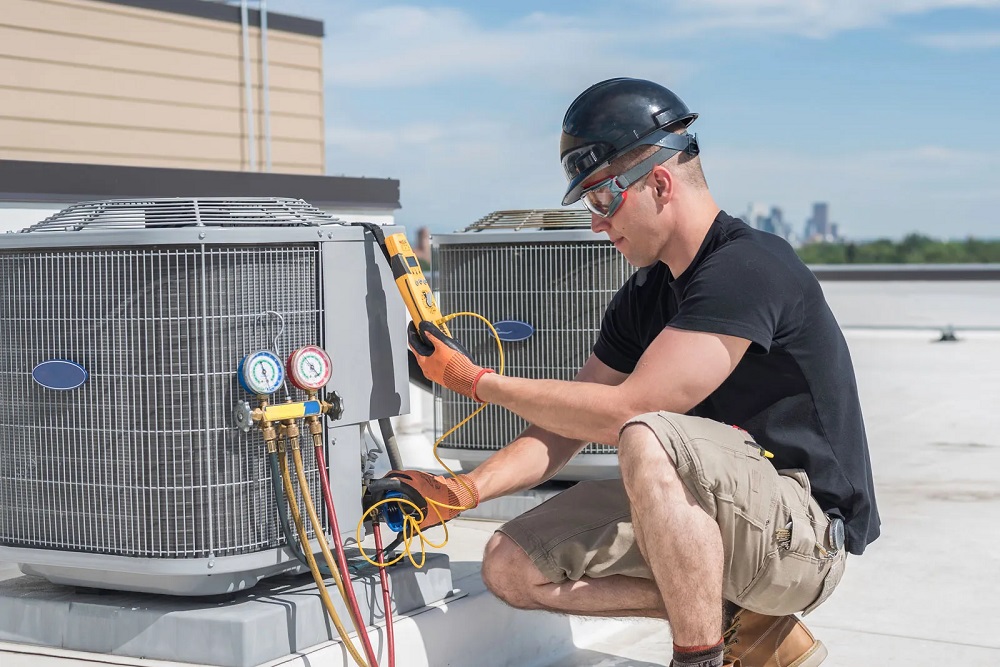
Heating, ventilation, and air conditioning systems play a critical role in maintaining indoor comfort, air quality, and energy efficiency in residential and commercial spaces. A properly designed HVAC system regulates temperature, improves airflow, and supports healthier indoor environments throughout the year.
Understanding how HVAC systems function helps property owners make better decisions about installation, maintenance, and upgrades that improve performance and reduce long term operating costs.
What Is an HVAC System
An HVAC system is a combination of technologies that manage indoor climate conditions by controlling temperature, humidity, and air circulation.
The three main components include:
Heating
Maintains indoor warmth during colder conditions using furnaces, boilers, or heat pumps.
Ventilation
Ensures fresh air circulation while removing pollutants, moisture, and stale air.
Air conditioning
Reduces indoor temperature and humidity during warmer weather.
Together, these functions create a comfortable and healthy indoor atmosphere.
Types of HVAC Systems
Different buildings require different HVAC configurations depending on size, climate conditions, and energy needs.
Split HVAC Systems
Split systems are commonly used in residential buildings. They include indoor and outdoor units connected through refrigerant lines.
Advantages include:
- Energy efficient operation
- Quiet performance indoors
- Easy installation in existing homes
- Flexible placement options
Hybrid HVAC Systems
Hybrid systems combine traditional furnaces with electric heat pumps to optimize energy use depending on weather conditions.
Benefits include:
- Reduced electricity consumption
- Lower heating costs
- Improved seasonal efficiency
- Environment friendly performance
Ductless Mini Split Systems
Ductless systems are ideal for homes without existing ductwork.
Key features include:
- Zoned temperature control
- Faster installation
- Reduced energy losses
- Compact indoor units
Packaged HVAC Systems
Packaged systems contain heating and cooling components within a single outdoor cabinet.
They are commonly installed in:
- Small commercial buildings
- Apartments
- Homes with limited indoor space
Key Components of an HVAC System
Each HVAC system includes several important components working together to maintain indoor comfort.
Thermostat
Controls system operation by adjusting temperature settings.
Compressor
Circulates refrigerant through the system for heat transfer.
Evaporator coil
Absorbs heat from indoor air during cooling operation.
Condenser coil
Releases absorbed heat outside the building.
Air handler
Distributes conditioned air throughout the building using ducts.
These components must function efficiently to maintain consistent performance.
Benefits of Installing an Efficient HVAC System
An energy efficient HVAC system improves both comfort and operating costs.
Major benefits include:
- Stable indoor temperature throughout the year
- Improved indoor air quality
- Reduced humidity levels
- Lower electricity bills
- Increased property value
- Longer equipment lifespan with proper maintenance
Modern systems are designed to deliver comfort while minimizing environmental impact.
Importance of Proper HVAC Ventilation
Ventilation is essential for maintaining healthy indoor air conditions. Without adequate airflow, pollutants and moisture accumulate inside buildings.
Effective ventilation helps:
- Remove indoor contaminants
- Control humidity levels
- Reduce mold growth risks
- Improve breathing comfort
- Maintain oxygen balance indoors
Proper ventilation design supports long term occupant health.
Energy Efficiency in HVAC Systems
Energy efficiency plays a major role in selecting the right HVAC system.
Important efficiency considerations include:
High efficiency compressors
These reduce electricity usage while maintaining cooling capacity.
Programmable thermostats
Allow automatic scheduling based on occupancy patterns.
Insulated duct systems
Prevent energy loss during air distribution.
Variable speed motors
Adjust airflow based on demand rather than running continuously at full capacity.
Investing in efficient systems results in significant long term savings.
HVAC Maintenance Tips for Better Performance
Routine maintenance ensures reliable operation and extends system lifespan.
Recommended maintenance practices include:
- Cleaning or replacing air filters regularly
- Inspecting ductwork for leaks
- Checking thermostat calibration
- Cleaning condenser coils
- Scheduling annual professional servicing
Consistent maintenance prevents unexpected breakdowns and improves system efficiency.
Choosing the Right HVAC System for Your Property
Selecting the correct HVAC system depends on several factors.
Important considerations include:
- Building size and layout
- Local climate conditions
- Energy efficiency ratings
- Installation budget
- Maintenance requirements
- Future expansion needs
Consulting a qualified technician helps ensure proper system sizing and installation.
Conclusion
HVAC systems are essential for maintaining indoor comfort, air quality, and energy efficiency in modern buildings. Choosing the right system and maintaining it properly ensures reliable performance throughout changing seasons. With the right approach, homeowners and businesses can create healthier indoor environments while reducing operational costs over time.
Frequently Asked Questions
1. How long does an HVAC system typically last
Most HVAC systems last between ten and fifteen years depending on usage conditions and maintenance frequency.
2. What size HVAC system is suitable for a residential home
System size depends on building area, insulation quality, number of occupants, and climate conditions. A professional load calculation is recommended before installation.
3. Can HVAC systems help reduce indoor allergies
Yes, systems equipped with quality air filters and proper ventilation help remove dust, pollen, and airborne particles from indoor air.
4. Is it necessary to replace HVAC ductwork during system upgrades
Existing ductwork can be reused if it is properly sealed and sized. Damaged or leaking ducts should be replaced for better efficiency.
5. How often should HVAC filters be replaced
Filters should typically be replaced every one to three months depending on usage and indoor air quality conditions.
6. Do HVAC systems control indoor humidity levels
Yes, air conditioning systems reduce humidity during cooling cycles, while humidifiers can be added for dry climates.
7. Are inverter HVAC systems more energy efficient than traditional systems
Inverter systems adjust compressor speed based on demand, which reduces electricity consumption and improves comfort consistency.


