
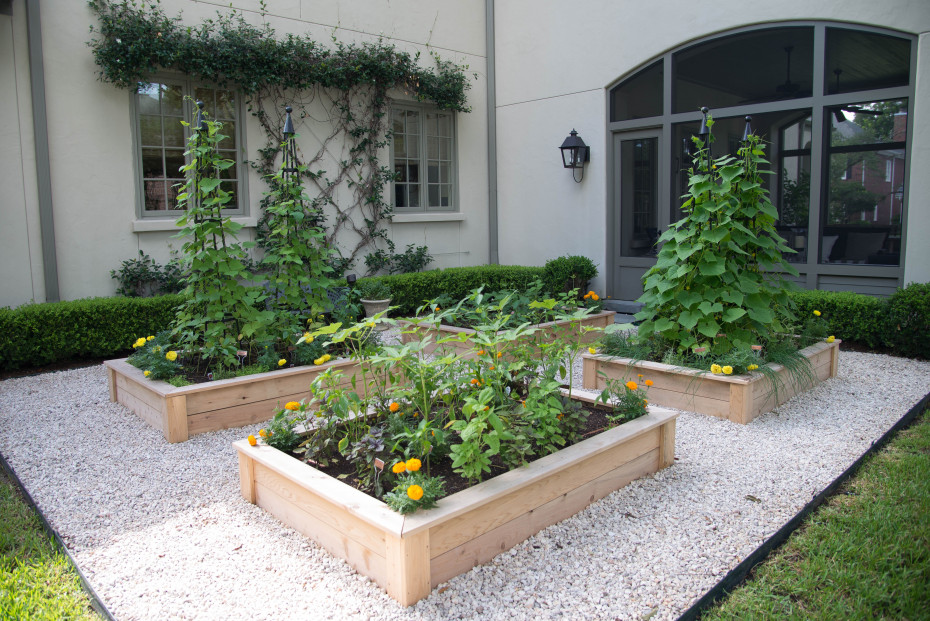
Raised bed gardening is one of the easiest and most reliable ways to grow vegetables, herbs, and flowers at home. It offers better soil control, improved drainage, fewer weeds, and a more organized growing space. For beginners, it simplifies many common gardening challenges and increases the chances of success from the very first season.
What Is Raised Bed Gardening
Raised bed gardening involves growing plants in soil that is elevated above ground level and contained within a frame. These beds are usually made from wood, metal, bricks, or stone and can be built in different shapes and sizes depending on available space.
Key advantages include:
- Improved soil quality
- Better drainage and aeration
- Easier weed control
- Reduced soil compaction
- Comfortable access for planting and harvesting
Choosing the Right Location
Selecting the correct location determines how successful your raised bed garden will be.
Consider these factors carefully:
- Choose a spot that receives at least 6 to 8 hours of sunlight daily
- Avoid areas with standing water after rain
- Ensure easy access to a water source
- Keep the bed close to your home for regular monitoring
Sunlight plays the most important role in plant growth, especially for vegetables such as tomatoes, peppers, and cucumbers.
Selecting the Best Materials for Raised Beds
The material you choose affects durability and maintenance requirements.
Popular options include:
Wood
- Natural appearance
- Easy to assemble
- Affordable and widely available
Metal
- Long-lasting
- Modern appearance
- Resistant to pests and rot
Bricks or Stone
- Extremely durable
- Excellent insulation
- Requires more effort to install
Avoid treated wood that may contain harmful chemicals if you plan to grow edible plants.
Ideal Size and Depth for Beginners
Keeping the right dimensions makes maintenance easier and improves plant health.
Recommended measurements:
- Width: 3 to 4 feet for easy reach
- Length: 6 to 8 feet depending on space
- Depth: Minimum 10 to 12 inches for most vegetables
Deeper beds are ideal for root crops such as carrots and potatoes.
Preparing the Perfect Soil Mix
Raised beds perform best with a specially prepared soil mixture rather than regular garden soil.
A balanced soil mix includes:
- 40 percent topsoil
- 40 percent compost
- 20 percent coarse sand or coco peat
This combination improves drainage, fertility, and root development.
Adding organic compost regularly keeps the soil nutrient rich throughout the growing season.
Choosing Easy Plants for Beginners
Start with crops that grow quickly and require minimal maintenance.
Recommended beginner-friendly plants:
- Spinach
- Lettuce
- Tomatoes
- Radishes
- Green beans
- Coriander
- Mint
These plants adapt well to raised beds and provide quick harvest results.
Watering Raised Beds Correctly
Raised beds drain faster than ground soil, so proper watering is essential.
Follow these watering practices:
- Water early in the morning
- Check soil moisture before watering
- Avoid overwatering
- Use drip irrigation if possible
Consistent moisture supports healthy root growth and prevents plant stress.
Managing Weeds and Pests Naturally
Raised beds naturally reduce weed problems, but some maintenance is still required.
Effective methods include:
- Applying mulch such as straw or dry leaves
- Removing weeds early before spreading
- Planting pest-repelling herbs like basil and marigold nearby
- Inspecting plants regularly for early pest signs
Natural control methods help maintain a chemical-free garden environment.
Planning Seasonal Planting
Different crops grow best in different seasons.
Simple seasonal planning tips:
Winter crops
- Spinach
- Carrots
- Peas
- Garlic
Summer crops
- Tomatoes
- Okra
- Cucumbers
- Chillies
Rotating crops each season improves soil health and reduces pest buildup.
Fertilizing Raised Beds the Right Way
Plants in raised beds rely entirely on the soil you provide.
Maintain soil fertility by:
- Adding compost every 3 to 4 weeks
- Using organic liquid fertilizers when needed
- Avoiding excessive chemical fertilizers
Healthy soil produces stronger plants and higher yields.
Mulching for Better Moisture Retention
Mulching improves soil conditions and reduces maintenance effort.
Benefits of mulching include:
- Conserves moisture
- Controls weeds
- Regulates soil temperature
- Improves soil fertility over time
Organic mulch materials such as dry leaves, straw, and grass clippings work best.
Common Mistakes Beginners Should Avoid
Avoiding simple mistakes saves time and improves results.
Important mistakes to watch for:
- Overcrowding plants
- Using poor-quality soil
- Ignoring sunlight requirements
- Watering inconsistently
- Skipping seasonal crop planning
Careful planning leads to healthier plants and better harvests.
Frequently Asked Questions
How many raised beds should a beginner start with
Starting with one or two beds is ideal. It helps beginners learn soil management, watering habits, and plant care without feeling overwhelmed.
Can raised beds be placed on concrete surfaces
Yes. Raised beds can be placed on concrete if proper drainage holes are provided and high-quality soil is used.
How often should raised bed soil be replaced
Soil does not need full replacement every year. Refreshing it with compost and organic matter each season is usually enough.
Are raised beds suitable for small terraces or balconies
Yes. Compact raised beds or container-style raised beds work very well in limited spaces like terraces and balconies.
What vegetables grow fastest in raised beds
Radishes, lettuce, spinach, and coriander are among the fastest-growing vegetables suitable for beginners.
Do raised beds require more watering than ground gardens
Yes. Because they drain faster, raised beds generally require more frequent watering depending on weather conditions.
Can flowers be grown along with vegetables in raised beds
Yes. Many flowers attract pollinators and help protect vegetables from pests, making them beneficial companion plants.


