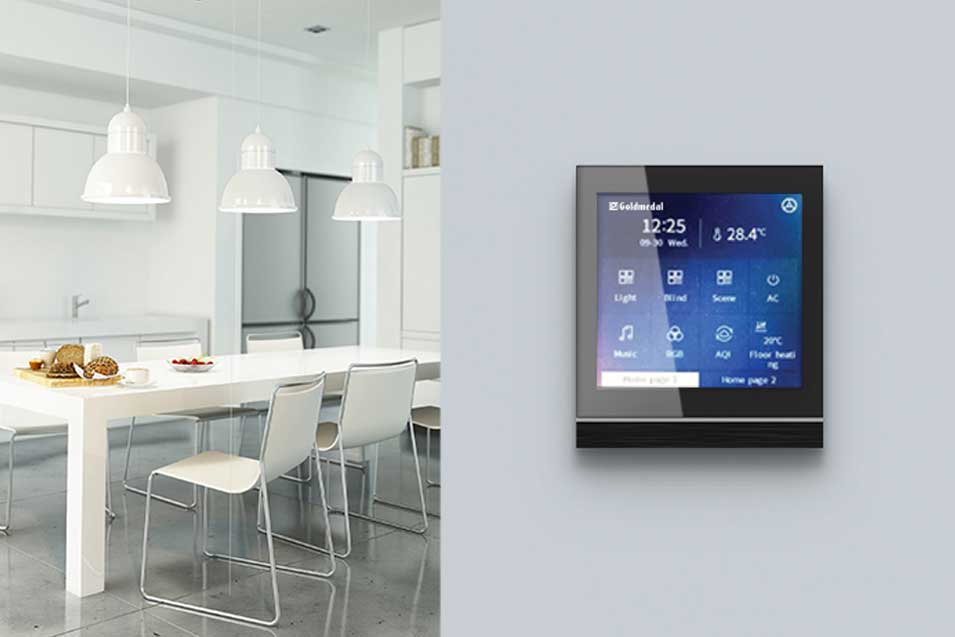
The concept of the smart home has revolutionized the way we live, blending convenience, efficiency, and control into a seamless experience. From controlling your lights and thermostat remotely to managing your home’s security with the touch of a button, smart homes offer a level of comfort and automation previously unheard of. However, as our homes become increasingly connected, the need to ensure their security becomes paramount.
A common misconception is that smart home technology only focuses on convenience or entertainment, but the truth is, smart security solutions are at the core of modern home automation. With this in mind, it’s essential to ask: is your smart home missing some crucial security elements? In this article, we’ll examine the key security essentials your smart home should have to safeguard your property, your loved ones, and your personal data.
The Importance of Smart Home Security
In today’s interconnected world, smart homes are a target for cybercriminals and burglars who are looking for vulnerabilities to exploit. A smart home isn’t just a series of devices; it’s an ecosystem where everything is interconnected. This makes it critical to not only choose the right smart devices but also to implement a robust security infrastructure to protect them.
While smart technology offers significant advantages, such as real-time monitoring, remote control, and automation, these benefits are only effective if your systems are properly secured. The good news is that by investing in the right security essentials, you can greatly reduce the risk of intrusion and ensure your smart home operates safely and efficiently.
1. Smart Security Cameras and Video Doorbells
One of the most important security essentials in a smart home is a reliable security camera system. While traditional home security cameras have been around for years, smart security cameras take things to a whole new level with remote access, cloud storage, motion detection, and integration with other devices. These cameras provide a continuous feed of what’s happening in and around your home, which you can monitor on your smartphone, tablet, or computer.
Video doorbells, such as the Ring Doorbell or Nest Hello, are especially valuable because they combine the features of a traditional doorbell with a video camera. They allow you to see and interact with visitors from anywhere in the world, offering peace of mind when you’re not at home. In addition to their video monitoring capabilities, many of these devices have motion detectors, sending you alerts when someone is at your doorstep, even if they don’t press the doorbell.
Having both security cameras and video doorbells will not only allow you to keep an eye on your home but also serve as a deterrent to potential intruders, who may be less likely to attempt a break-in when they know they’re being watched.
2. Smart Locks and Keyless Entry Systems
Smart locks have quickly become a must-have in modern homes due to their ability to enhance security while providing convenience. Unlike traditional locks, smart locks allow homeowners to lock and unlock doors remotely, track who enters and exits, and even set temporary access codes for guests, service personnel, or contractors. Whether you’re on vacation or at work, you can monitor and control your door locks from anywhere, ensuring that only authorized individuals can access your home.
Additionally, many smart locks integrate with home automation systems, allowing for more sophisticated functions. For example, you can set up an automation rule that locks the doors when you leave for work or arms the security system when you go to bed. This level of integration adds a layer of sophistication to your home’s security and ensures that your doors are always secure.
3. Smart Motion Sensors and Alarm Systems
While cameras and locks provide surveillance and control, motion sensors add an extra layer of protection by detecting movement inside and around your home. These devices can be placed in various locations, such as entryways, hallways, and rooms with valuables. When a motion sensor detects an intruder, it triggers an alarm and sends you an instant notification, allowing you to take action immediately.
Integrated alarm systems are a valuable addition to your smart home’s security, as they can sound an alert if a sensor detects suspicious activity. Some systems are linked directly to local authorities, ensuring that emergency services are notified as soon as an alarm is triggered.
A key advantage of smart motion sensors is their ability to be customized based on your daily routine. For example, you can schedule sensors to be active only when you’re not home, reducing the chances of false alarms. Furthermore, many systems allow you to adjust the sensitivity of the motion sensors, ensuring they are accurate without being overly reactive to pets or minor movements.
4. Cybersecurity Measures for Smart Devices
While we often focus on physical security, it’s equally important to address the cybersecurity aspect of your smart home. As the number of connected devices increases, so does the number of potential vulnerabilities that could be exploited by hackers. Smart devices such as cameras, speakers, and even refrigerators are essentially small computers, making them susceptible to cyber threats.
To safeguard your smart home from digital intrusions, start by ensuring all devices are protected with strong, unique passwords. Avoid using default or easy-to-guess passwords, and enable two-factor authentication wherever possible. It’s also essential to keep the firmware on all of your smart devices up-to-date, as manufacturers frequently release security patches to fix vulnerabilities.
A dedicated home firewall and a secure Wi-Fi network can further protect your devices from unauthorized access. Invest in a router with built-in security features, such as encryption and guest network capabilities, and use a separate network for your smart home devices to isolate them from your personal data.
5. Smart Lighting and Occupancy Sensors
Although they may not seem like essential security devices, smart lighting and occupancy sensors play an important role in home security. Timed or motion-activated lighting can simulate occupancy, making it look like someone is at home even when you’re away. Burglars tend to target homes that appear unoccupied, so automating your lighting system to turn on and off at different times can deter potential intruders.
For enhanced security, integrate smart lights with occupancy sensors to trigger lights when someone enters a room or when motion is detected in outdoor areas like the driveway or yard. Additionally, you can create custom lighting schedules that mimic your daily routines, further enhancing the appearance of an occupied home when you’re not around.
6. Smart Smoke and Carbon Monoxide Detectors
While not directly related to security, smart smoke and carbon monoxide detectors are important for protecting your home and family. These devices send alerts to your phone when they detect smoke or carbon monoxide, ensuring that you’re alerted to a potential hazard even when you’re not at home.
Some smart detectors also provide real-time updates about the air quality in your home and allow you to test or silence the alarms remotely. These features add a layer of convenience and peace of mind, knowing that your home is protected from potential fires or carbon monoxide leaks.
7. Backup Power Supply
One often-overlooked security essential is ensuring that your smart home devices stay powered during an outage. A loss of power could leave your security systems offline, rendering them useless when you need them most. Investing in a backup power supply, such as an uninterruptible power supply (UPS), ensures that your security systems remain operational even during power disruptions. A UPS will provide temporary power to devices like cameras, alarm systems, and smart locks, keeping your home protected at all times.
Conclusion
Building a connected smart home that is both convenient and secure requires thoughtful planning and a focus on essential security components. By integrating smart security cameras, locks, motion sensors, cybersecurity measures, and backup power supplies, you can create a robust system that protects your home from both physical and digital threats.
Remember, a smart home isn’t just about adding the latest gadgets; it’s about creating an ecosystem that works together to enhance your safety and peace of mind. Whether you’re just starting to build your smart home or looking to add more security features, these essentials will help you create a safe, secure, and fully connected living space.