
Heating, ventilation, and air conditioning systems represent one of the most significant capital investments in a residential property. Whether you’re a homeowner planning an upgrade or a property investor weighing long-term value, evaluating HVAC return on investment (ROI) is essential for making informed decisions that balance comfort, efficiency, and financial performance.
This article breaks down how HVAC ROI works, what factors influence it, and how to assess whether a new or upgraded system is truly worth the cost.
What Does HVAC ROI Mean?
HVAC ROI measures how much financial value an HVAC system delivers compared to its total cost. It considers both direct savings, such as reduced energy bills, and indirect benefits, like increased property value and fewer maintenance issues.
A strong ROI does not always mean the cheapest system. Instead, it reflects how well the system performs over its entire lifespan relative to what you invested upfront.
Why HVAC ROI Matters for Residential Properties
Residential HVAC systems affect more than indoor comfort. Their impact extends into operating costs, resale value, and tenant satisfaction.
Key reasons HVAC ROI matters include:
- Energy consumption accounts for a large share of household expenses
- High-efficiency systems can lower monthly utility bills
- Modern HVAC upgrades improve resale appeal
- Reliable systems reduce emergency repair costs
For rental properties, HVAC efficiency can also influence tenant retention and vacancy rates.
Key Costs to Include in HVAC ROI Calculations
Accurate ROI evaluation starts with understanding the full cost picture, not just the purchase price.
Initial Investment Costs
- Equipment purchase (furnace, heat pump, air conditioner)
- Installation labor
- Ductwork upgrades or repairs
- Electrical or gas line modifications
- Permits and inspections
Ongoing Ownership Costs
- Routine maintenance and inspections
- Repair expenses over time
- Replacement parts
- Energy usage over the system’s lifespan
Ignoring ongoing costs often leads to an overly optimistic ROI estimate.
Factors That Increase HVAC ROI
Not all HVAC systems deliver the same financial return. Several variables play a major role in determining long-term value.
Energy Efficiency Ratings
Systems with higher SEER, EER, or AFUE ratings typically consume less energy, translating into steady monthly savings that compound over time.
Climate and Usage Patterns
- Colder climates benefit more from high-efficiency heating
- Hot regions see faster payback from efficient cooling systems
- Homes with year-round HVAC use experience quicker ROI
System Lifespan
A system that lasts 15–20 years with minimal repairs often produces a stronger ROI than a cheaper unit that requires early replacement.
Smart Controls and Zoning
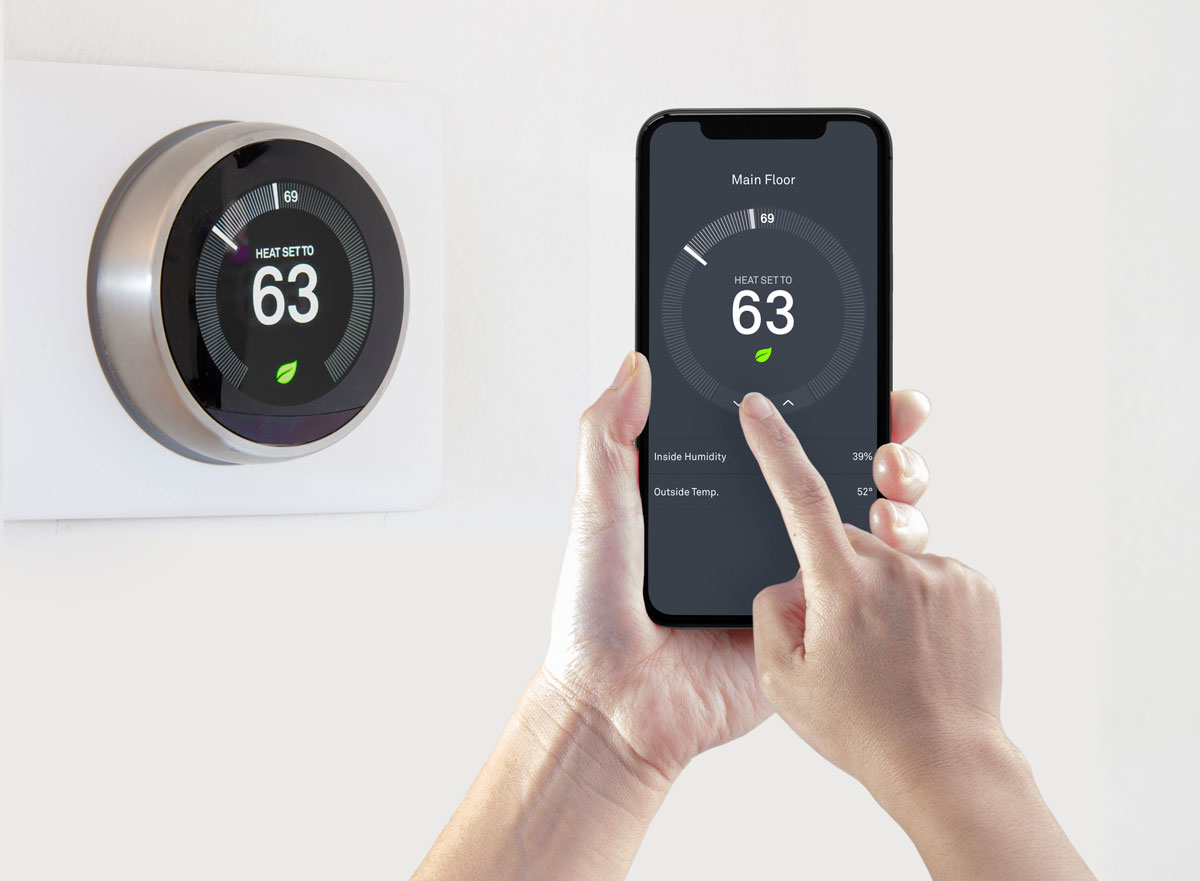
Features like programmable thermostats and zoned heating and cooling reduce wasted energy, improving ROI without major mechanical changes.
Calculating HVAC ROI Step by Step
A simple HVAC ROI calculation can be done using this general approach:
ROI (%) = (Total Financial Benefits − Total HVAC Costs) ÷ Total HVAC Costs × 100
To apply this formula effectively:
- Estimate annual energy savings compared to the old system
- Add avoided repair costs from replacing aging equipment
- Include potential increases in property value
- Subtract total installation and ownership costs
While the calculation can be simplified, professional energy audits provide more precise projections.
HVAC ROI and Property Value
An upgraded HVAC system can significantly influence a home’s marketability. Buyers often prioritize properties with modern, energy-efficient systems to avoid near-term replacement costs.
HVAC improvements can:
- Shorten time on market
- Support higher asking prices
- Improve home inspection outcomes
- Reduce buyer negotiation leverage
For rental properties, efficient HVAC systems may justify higher rents while keeping operating expenses predictable.
Common ROI Mistakes to Avoid
Even experienced property owners sometimes misjudge HVAC investments. Avoid these common errors:
- Focusing only on upfront cost instead of lifetime value
- Oversizing systems, which increases energy waste
- Ignoring insulation and duct efficiency
- Skipping regular maintenance, reducing system lifespan
- Failing to account for local energy prices
A balanced approach almost always outperforms cost-cutting shortcuts.
When HVAC ROI Is Most Attractive
HVAC ROI tends to be strongest when:
- Replacing systems over 12–15 years old
- Upgrading from low-efficiency or failing equipment
- Energy prices are high or rising
- The property is being prepared for sale or long-term rental
In these scenarios, payback periods are often shorter and returns more predictable.
Final Thoughts on HVAC ROI
Evaluating HVAC ROI for residential properties is about long-term performance, not short-term savings. A well-chosen system delivers consistent comfort, lower operating costs, and tangible property value benefits over many years.
When assessed properly, HVAC upgrades are not just expenses—they are strategic investments that support both livability and financial stability.
Frequently Asked Questions
How long does it typically take to see HVAC ROI?
Most residential HVAC upgrades reach payback within 5 to 10 years, depending on energy savings, climate, and system efficiency.
Does HVAC ROI differ between single-family homes and rentals?
Yes. Rental properties often see faster ROI due to higher utilization and the ability to factor efficiency into rental pricing.
Are high-efficiency HVAC systems always worth the extra cost?
Not always. The best ROI depends on usage patterns, local energy costs, and how long the property will be owned.
How does insulation affect HVAC ROI?
Good insulation significantly improves ROI by reducing heating and cooling demand, allowing HVAC systems to operate more efficiently.
Can HVAC ROI be improved without replacing the entire system?
Yes. Upgrades like smart thermostats, duct sealing, and zoning controls can improve efficiency at a lower cost.
Does regular maintenance really impact ROI?
Absolutely. Routine maintenance extends system life, reduces breakdowns, and preserves energy efficiency.
Should HVAC ROI influence home buying decisions?
It should be one of several factors. A newer, efficient HVAC system reduces future expenses and increases overall home value confidence.


