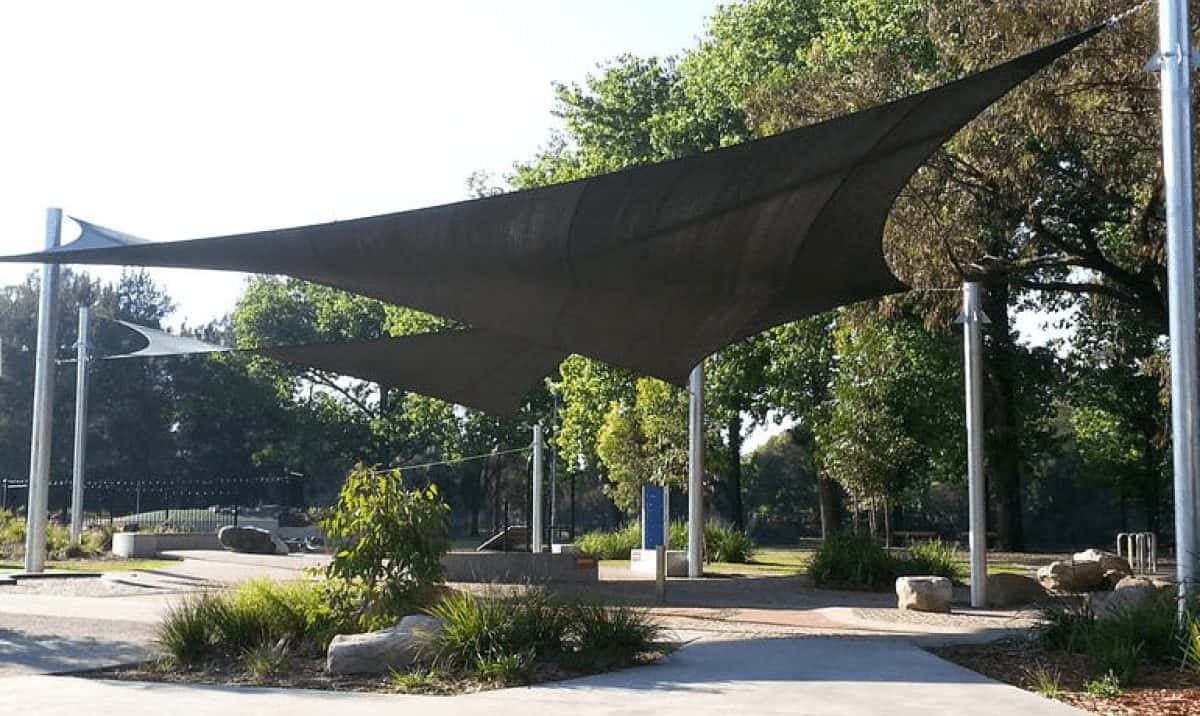
Adding a shade structure to your garden or patio is an excellent way to create a comfortable outdoor space, especially under the Australian sun. These additions offer protection from harsh UV rays and can make your backyard usable even on the hottest days. While various options exist, many people opt for fabric structures like shade sails for their flexibility and modern look. Proper installation is vital to ensure safety, longevity, and effectiveness.
This guide provides a straightforward process for installing your new shade structure. Before you begin, you need to plan the layout carefully. Decide on the area you wish to cover and identify the best anchor points. These could be existing structures like the side of your house or garage, or you might need to install dedicated posts. Measure the area precisely to ensure you purchase a sail that fits your space correctly.
With your plan in place, you can gather the necessary tools and materials. You will need a drill, concrete mix (if installing posts), stainless steel turnbuckles, D-shackles, and eye bolts or strap eyes for your attachment points. Using marine-grade stainless steel hardware is a good idea in Australia, as it withstands the coastal air and changing weather conditions without rusting.
Step 1: Installing the Anchor Points
The strength of your installation depends on solid anchor points. If you are attaching to a building, make sure the fascia or wall can handle the tension. You may need to add a reinforcing timber beam. For freestanding installations, you must install posts.
Dig holes for your posts that are at least 800mm deep and 400mm wide. Pour a layer of gravel at the bottom for drainage before placing the post in the centre. It helps to angle the posts slightly away from the centre of the sail to counteract the tension. Fill the hole with concrete, ensuring the post remains straight as it sets. Allow the concrete to cure completely, which usually takes 48-72 hours.
Step 2: Attaching the Hardware
Once your anchor points are secure, you can attach the hardware. Drill holes for your eye bolts or strap eyes into your chosen points. For posts, drill holes through the post and secure the hardware with bolts and nuts. For walls, use appropriate fasteners that can bear a significant load. Attach a turnbuckle to one corner of the sail; this will allow you to tension it correctly later. Attach D-shackles to the other corners.
Step 3: Hoisting and Tensioning the Sail
With the hardware in place, you can connect the shade structure. Attach each corner to its corresponding anchor point. Start with the corner that has the turnbuckle. Once all corners are connected, you can begin to tension the sail.
Gradually tighten the turnbuckles and any tensioning straps. The goal is to remove any sag from the fabric, creating a taut, clean surface. A properly tensioned sail not only looks better but also performs better in wind and rain. Check the tension regularly over the first few weeks, as the fabric can stretch slightly after initial installation. Following these steps will help you create a functional and lasting shaded area for your home.