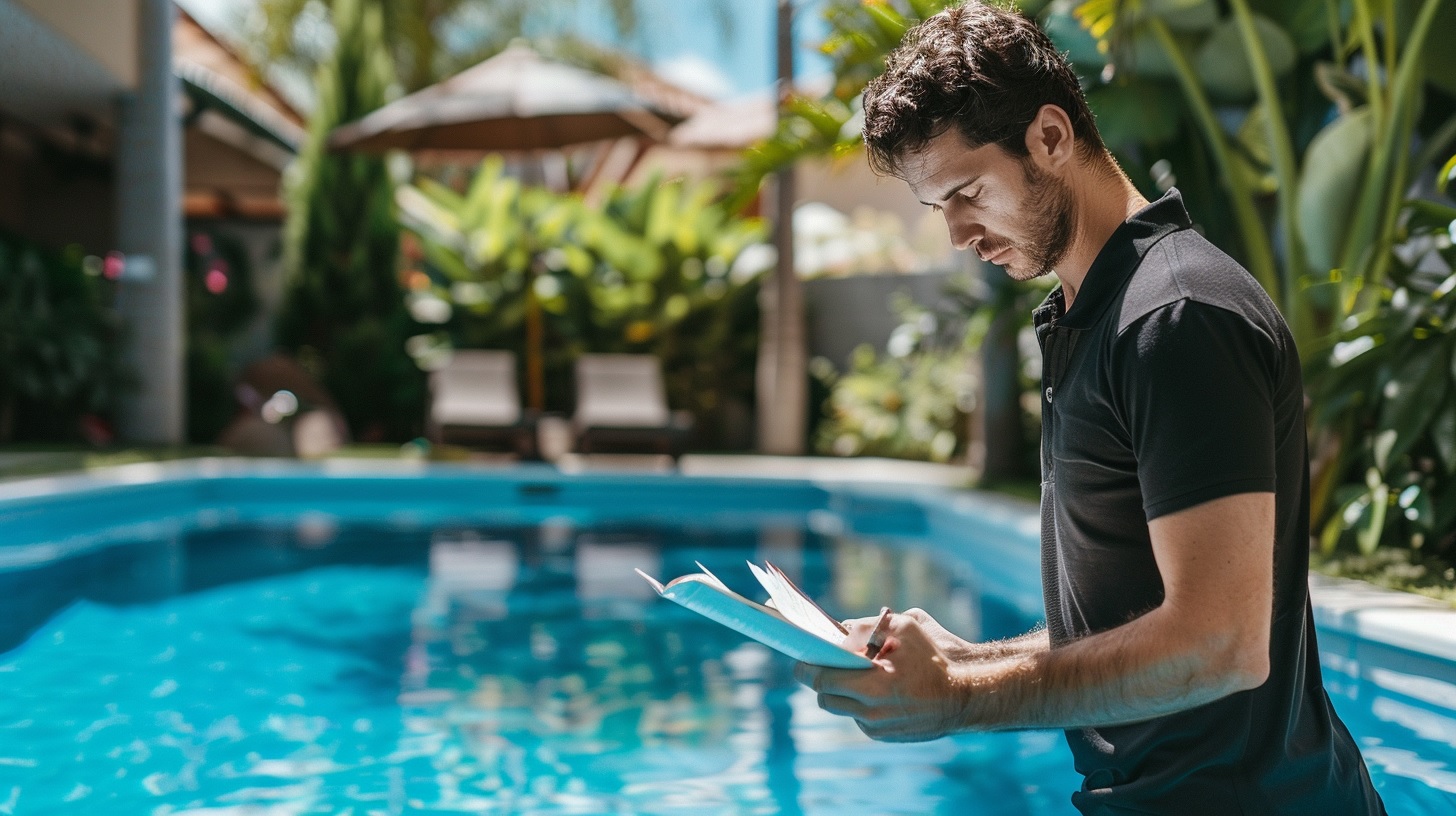
Owning a swimming pool in New South Wales comes with legal responsibilities. Before you can sell or lease a property, or simply meet state rules, your pool must pass an inspection. Getting pool certification in NSW means your barrier, gates, and safety features all meet the standards set out under the Swimming Pools Act 1992.
Preparation makes the difference between passing on the first visit and facing repeat inspections. The good news is that most requirements are straightforward once you know what an inspector looks for. A little effort ahead of time saves money and stress later.
Start by registering your pool on the NSW Swimming Pool Register if you have not already. Registration is a legal requirement, and it is the first thing checked during the pool certification NSW process. Once registered, work through the practical steps below to get your pool ready.
Check Your Barrier
The barrier around your pool is the main focus of any inspection. It must be at least 1.2 metres high, measured from the finished ground level. Gaps under the fence cannot exceed 100 millimetres. Vertical gaps between palings or panels must stay below 100 millimetres too.
Walk the full perimeter and look for damage, rust, or loose sections. Remove any items near the fence that a child could climb, such as pot plants, chairs, or garden features. Keep a clear zone of 900 millimetres on the outside of the barrier and 300 millimetres on the inside.
Test Gates and Latches
Pool gates must swing outward, away from the pool area, and close on their own from any open position. Stand at the gate, open it fully, and let go. It should shut and latch without help.
The latch release should sit at least 1.5 metres above the ground. If the latch is lower, it must be shielded so a child cannot reach through. Check the hinges and springs, since these wear over time and often cause a fail.
Display the Right Signage
A CPR sign is a legal must. Fix a resuscitation notice in a spot that is easy to read from the pool area. The sign must be current, since guidelines are updated from time to time. Replace faded or outdated versions before the inspection.
Prepare for the Inspection Day
Clear access to the pool area so the inspector can move freely. Fill in any holes near the fence line and trim overgrown plants that block the barrier. Have your registration details ready.
Run through a quick self-check the day before:
- Barrier height and gaps measured and correct
- Gate closes and latches on its own
- No climbable objects within reach
- CPR sign displayed and current
- Pool registered with the state
Taking these steps gives you the best chance of a smooth result. Regular upkeep between inspections keeps your pool safe for family and visitors year round. A compliant pool protects children and gives you peace of mind through every warm Australian summer.