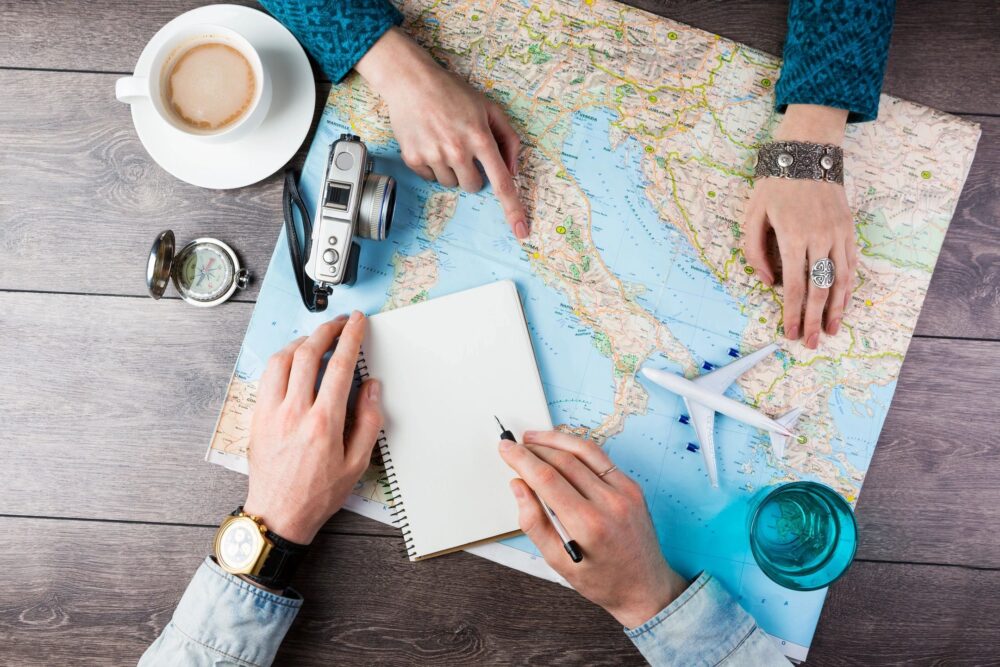
A successful trip involves more than choosing a destination and booking transportation. Travelers also need to decide what to see, where to eat, how to move around, and how to use their available time. When visiting an unfamiliar place, these decisions can sometimes become confusing. A local guide can simplify the process by offering practical knowledge and thoughtful recommendations.
Exploring Toronto becomes more convenient when useful local information is available in one destination. https://greater-toronto-area-guide.com/ provides readers with an opportunity to discover information related to the Greater Toronto Area, including places to visit, things to do, and local topics that can help make exploring the region more enjoyable.
Instead of spending hours trying to understand an unfamiliar destination alone, travelers can use local insight to create a smoother and more enjoyable experience.
Begin With Your Travel Priorities
Every traveler has different goals. Some people want to learn about history, while others are interested in food, shopping, architecture, nature, photography, or local culture.
A local guide can first understand these interests and then suggest experiences that fit them. This prevents travelers from spending valuable time on activities that do not match their preferences.
A focused plan can make a short trip feel much more productive.
Avoid an Overcrowded Schedule
It can be tempting to add as many attractions as possible to a travel itinerary. However, a schedule packed with activities can leave little time to actually enjoy each location.
A local guide can help create a balanced plan with enough time for sightseeing, meals, breaks, and exploration.
A well-paced itinerary often produces better memories than trying to visit every attraction in one day.
Choose the Right Places to Visit
Not every attraction is equally suitable for every traveler. A family may prefer spacious outdoor locations, while history enthusiasts may enjoy museums and heritage areas.
Local knowledge can help visitors identify places that are appropriate for their interests and expectations.
This makes planning more efficient and reduces the uncertainty that often comes with researching an unfamiliar destination.
Understand Local Transportation
Transportation can have a major effect on a travel experience. Visitors may need to choose between walking, public transportation, taxis, private vehicles, or other options.
A local guide can explain which methods are practical for different parts of the destination. They can also help travelers understand approximate travel times and convenient routes.
Knowing these details in advance can prevent unnecessary delays.
Discover Suitable Dining Options
Finding good food is an important part of many trips. Travelers may want traditional meals, casual dining, local snacks, or specialty dishes.
A local guide can suggest food experiences based on individual preferences and explain which regional dishes are worth trying.
This can help visitors discover local flavors instead of relying only on familiar food options.
Make Room for Unexpected Discoveries
A good itinerary should leave some room for spontaneity. Travelers may come across an interesting market, street, cultural event, or scenic location that was not part of the original plan.
A local guide can recognize these opportunities and adjust the day’s activities when practical.
Flexibility allows travelers to enjoy unexpected moments without losing control of their overall schedule.
Learn Important Local Information
Small pieces of local information can make a significant difference. Visitors may need to know about appropriate clothing, photography rules, cultural customs, busy periods, or suitable behavior at certain locations.
A local guide can explain these details in a simple and practical way.
This knowledge helps travelers approach new experiences with greater confidence and respect.
Reduce the Stress of Decision-Making
Travel planning can involve countless choices. Constantly deciding where to go next, what to eat, or which attraction to prioritize can become tiring.
Having local guidance reduces some of this decision-making pressure. Travelers can rely on informed recommendations while still choosing what interests them most.
This allows them to focus on enjoying the destination.
Make the Trip More Personal
The best travel plans are not necessarily the ones with the most activities. They are the ones that reflect the traveler’s interests and create meaningful experiences.
A local guide can help shape a journey around personal preferences, available time, and comfort level.
This personalized approach can make the trip feel less like a standard tour and more like an experience designed specifically for the visitor.
Conclusion
Planning a trip becomes easier when travelers have access to reliable local knowledge. A local guide can help organize activities, choose suitable attractions, understand transportation, discover regional food, and leave room for unexpected experiences.
With thoughtful planning and local insight, visitors can spend less time worrying about logistics and more time appreciating the destination. A smarter itinerary is not about doing everything; it is about making each part of the journey count.